
Ten Interesting Facts Surrounding Mattel’s Most Pumped-Up Property!
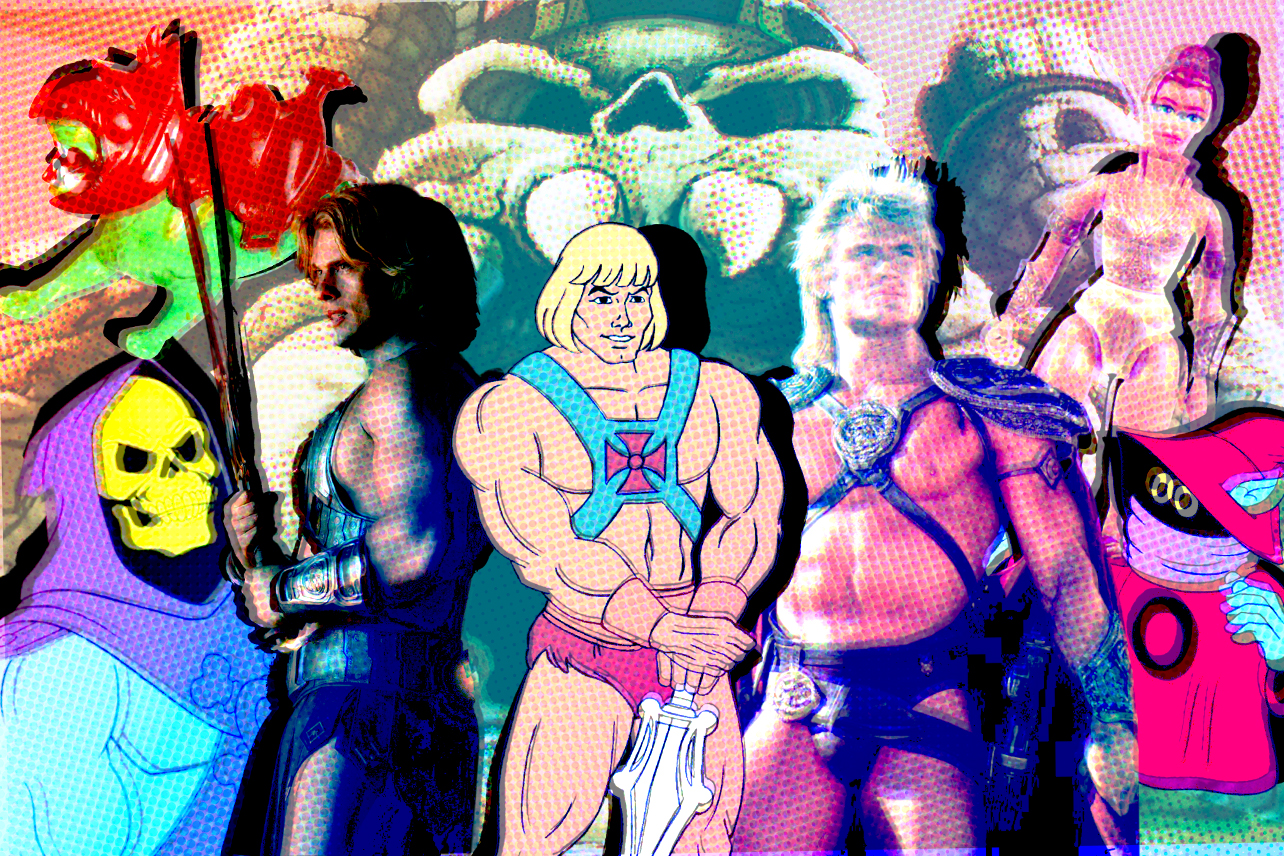
Masters of the Universe muscles its way into movie theaters on June 5th, bringing the legendary ’80s franchise back to the big screen for the first time since 1987. Before grabbing your tickets and clearing some shelf space for that bodacious Battle Cat popcorn bucket, it’s time to journey back to Eternia and uncover the origins of its most powerful heroes — and the multi-billion-dollar empire that rose in their wake. Think you know Masters of the Universe? You have the power ... to read on and find out!
1. Masters of the Universe was created after Mattel lost Star Wars
In the mid-1970s, Mattel passed on the opportunity to produce toys for Star Wars, believing the license — which would have cost a staggering $750,000 up front — was too risky. The rights eventually ended up with Kenner, who proceeded to create one of the most successful toy lines in history. Determined not to miss out on the next big boys’ action brand, Mattel executive Ray Wagner assembled a “Male Action Team” to develop a successor to the popular Big Jim toy line — which eventually became Masters of the Universe.
2. He-Man was built from a Big Jim figure covered in clay
Designer Roger Sweet created the earliest He-Man prototypes by modifying Mattel’s existing Big Jim action figures. He widened the shoulders, bulked up the body with modeling clay, and created exaggerated muscles unlike anything else on toy shelves at the time. That oversized, hyper-muscular style helped shape the entire toy line.
3. Three completely different versions of He-Man were proposed
Roger Sweet pitched He-Man to Mattel executives using three prototype concepts: a barbarian, a military-style soldier, and a spaceman. Mattel ultimately chose the barbarian version because market testing showed kids responded strongly to it. The rejected concepts weren’t forgotten, though. Decades later, Mattel would pay tribute to them with the Masters of the Universe Classics character Vykron.
4. The toyline was almost called "Lords of Power"
Before “Masters of the Universe” was chosen, Mattel heavily considered the name “Lords of Power.” The company ultimately decided against it because executives worried the title sounded too religious or potentially controversial. “Masters of the Universe” was considered broader, more exciting, and more marketable.
5. Battle Cat was originally a completely different toy
He-Man’s green tiger companion wasn’t originally created for Masters of the Universe. The mold came from Mattel’s earlier Big Jim toy line. A new coat of paint and added armor bits transformed the existing toy into Battle Cat — a cost-saving decision that would create one of the franchise’s most beloved characters.
6. Many early MOTU figures shared the exact same body mold
One of Mattel’s smartest cost-saving decisions was designing the early Masters of the Universe figures around a shared muscular body structure. Characters like He-Man, Skeletor, Man-At-Arms, Beast Man, and Mer-Man all reused many of the same torso and limb molds, with unique heads, armor, and paint applications creating entirely different personalities. This allowed Mattel to produce new figures quickly and cheaply while still making the line feel massive and diverse to kids in the early 1980s.
7. The earliest He-Man stories were much darker than the cartoon
The original mini comics packaged with the figures portrayed Eternia as a strange post-apocalyptic fantasy world filled with monsters, ancient technology, and savage landscapes. In those early stories, Prince Adam did not exist yet, and He-Man was more of a wandering barbarian hero than a polished royal champion. The brighter Filmation cartoon launched in 1983 softened and simplified the mythology for television audiences.
8. Prince Adam first appeared In DC Comics
The secret identity of Prince Adam was actually created for a DC Comics story published in 1982. Rather than holding his sword aloft and reciting a catchphrase, this original incarnation of the character could only become He-Man at a place called the Cavern of Power. A reworked version of Prince Adam would go on to appear in the Filmation cartoon.
9. Masters of the Universe became one of the biggest toy franchises of the 1980s
The franchise exploded in popularity almost immediately. According to reports, Mattel sold more than 125 million MOTU toys within the line’s first three years and over $2 billion in retail sales during its original 80s run alone. That success would expand into cartoons, comics, lunch boxes, bed sheets, video games, and even a live-action movie.
10. The franchise helped change children’s television forever
The 1983 Filmation series became one of the defining examples of the toy-driven cartoon boom of the 1980s. While not the only franchise doing it, Masters of the Universe proved that animated shows could dramatically increase toy sales while building an expansive fictional universe around action figures. Its success helped pave the way for similar series like Transformers, ThunderCats, and more.
If you haven't already, consider supporting worker-owned media by subscribing to Pop Heist. We are ad-free and operating outside the algorithm, so all dollars go directly to paying the staff members and writers who make articles like this one possible.