


Her Private Hell
Writer: Nicolas Winding Refn, Esti Giordani
Director: Nicolas Winding Refn
Cast: Sophie Thatcher, Charles Melton, Havana Rose Liu, Kristine Froseth, Shioli Kutsuna, Aoi Yamada, Dougray Scott, Diego Calva, Hidetoshi Nishijima
Nicolas Winding Refn's Her Private Hell, his first since The Neon Demon a decade ago, opens in a mist-shrouded city where humanoid structures line the skyline like gods. Our first glimpse of humanity in this neon-and-fog dreamscape is Elle (Sophie Thatcher), who walks up to a hotel called the Tower.
This matters deeply, or at least it does to me, because I know that Refn is an admirer of tarot, and famously kicks off each new creative project with a reading from his friend, the artist and filmmaker Alejandro Jodorowsky. In tarot, The Tower (at its most basic and absent additional context) is a symbol of destruction, but also of rebirth and liberation. In other words, the Tower means you have to tear down the old world to make space for the new.
With this understanding (not essential to enjoying the film but, I think, helpful), Refn's latest film becomes a stylish, near-ecstatic odyssey of destruction and rebirth. It's a film about letting go, about evolving, and about destroying what's impeding that evolution, no matter the cost. It's also one of the most visually jaw-dropping things I've seen all year.
As Elle arrives back at The Tower, where her father Johnny Thunders (Dougray Scott) makes his home, we learn the broader circumstances of her life. She's an actress, and she's about to make a film with a collection of other actresses, including the bubbly ingenue Hunter (Kristine Froseth), and her old friend Dominique (Havana Rose LIu), who also happens to be her new stepmother. Johnny Thunders, Elle thinks, cozies up to women his daughter's age because he wants to be closer to her, and so she allows him his proclivities. But Elle has barely arrived by the time her father announces his departure, believing that the best thing for her is to make the movie and get reacquainted with her stepmother.
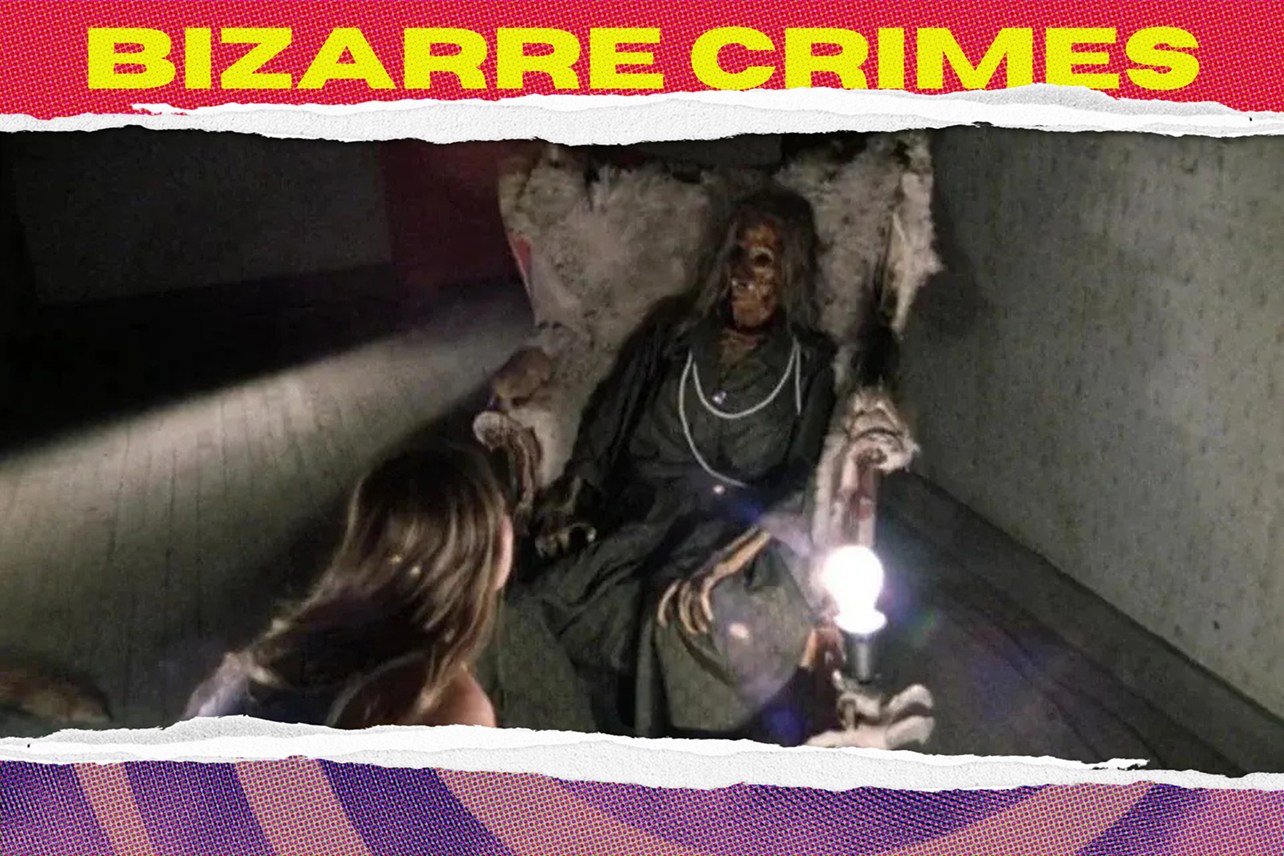
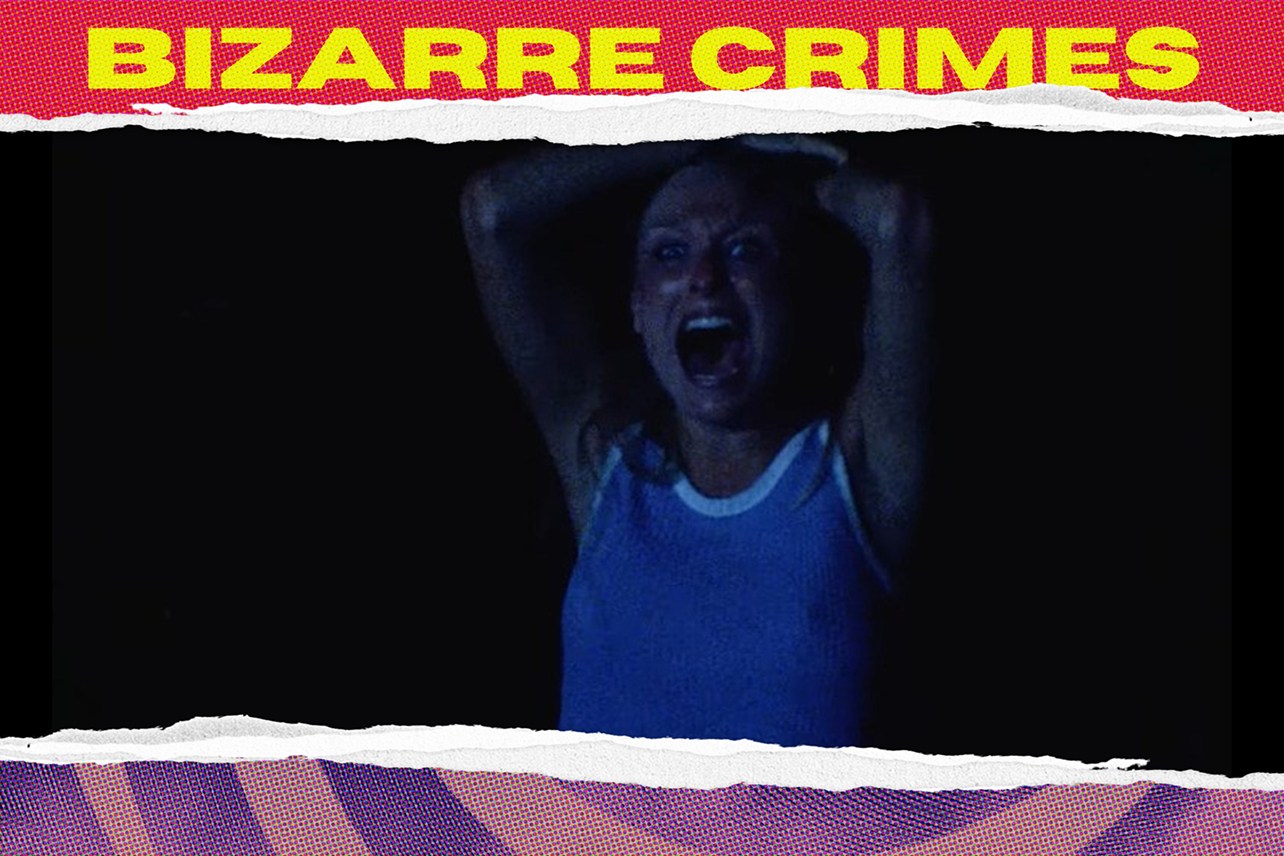
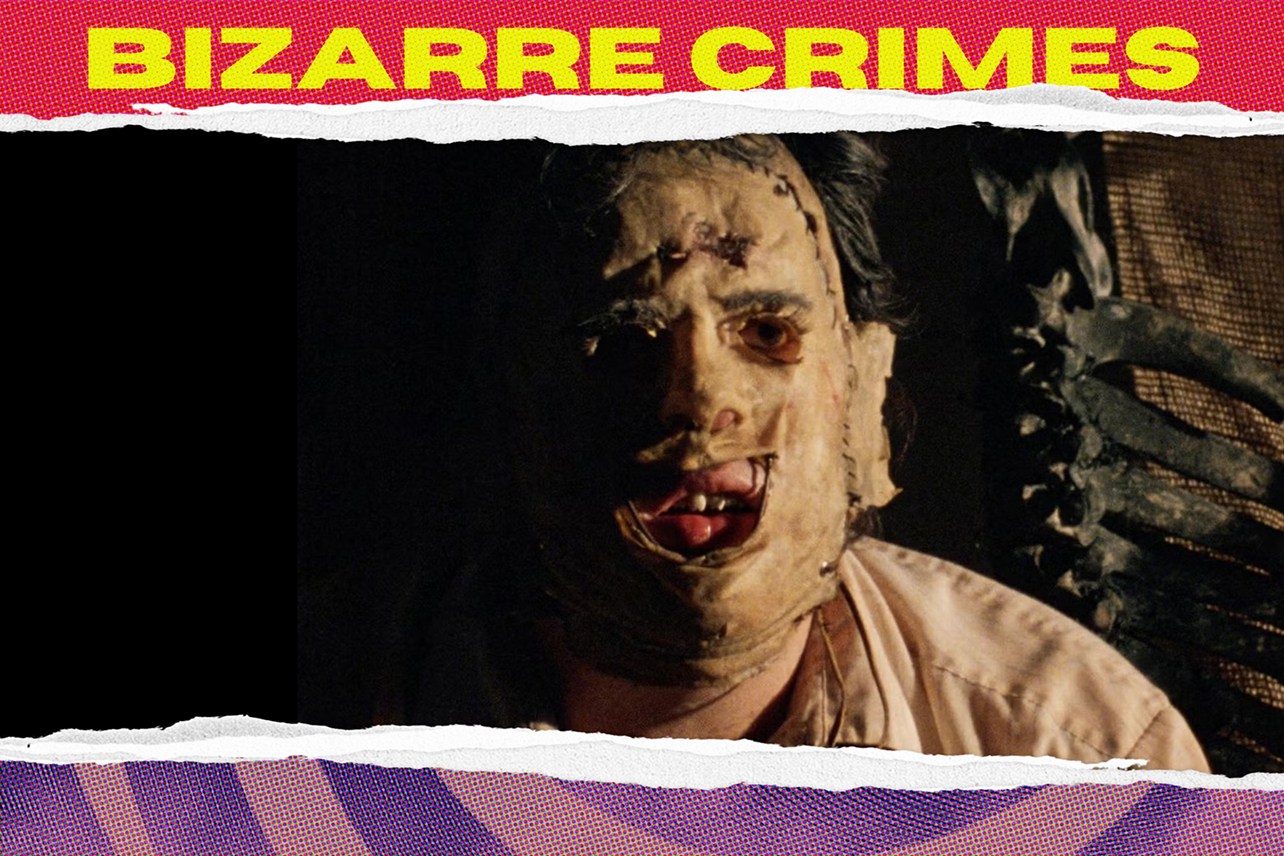
That's tense and awkward enough, but something else is at work in this strange, dreamy city that might be a magical realist Tokyo or might be another invention altogether. With the mist comes a series of murders, supposedly committed by the local urban legend known as the Leatherman. When Elle witnesses one of these killings, she's catapulted into a spiral of fear, anger, violence and epiphany that eventually intersects with a man known only as Private K (Charles Melton), an American who's got his own history with the Leatherman.
If you're acquainted with any of NWR's work after his English-language breakout with Drive, then you'll pick up on the stylistic continuum at work in Her Private Hell. It's most closely in conversation with Refn's The Neon Demon, with its tale of transformative violence against a backdrop of performance and beauty, but you'll also see Too Old to Die Young and Copenhagen Cowboy reflected in its neon cloudscapes and Kubrickian poise. Stylistic echoes aside, though, Refn's not interested in simply repeating himself. Her Private Hell draws from across the cinematic spectrum, marshalling shots that remind us of Italian giallo films, Japanese melodrama, even cyberpunk anime, all into one film that feels like some kind of lucid dream, complete with outbursts of deep emotion cutting through near-silent tableaus.
Refn's particular narrative rhythms, rich with symbolism and style-as-substance, can be tricky for even the most eager audience member to ride with, so you can imagine it's even trickier for actors new to his process. Thatcher, who's already established herself as something of a genre icon over the last half-decade, takes to it all like a fish to water, her wide eyes and mop of dark hair a perfect canvas on which NWR's neon nightmares can project. Her Private Hell is about a lot of things, but it's especially about fathers and daughters, and the things the latter have to let go of in order to finally grow beyond the former. That means Thatcher has to reshape her world before our eyes, find new avenues of expression, break free of dependencies holding her back, and she has to do it all while terrified and thrilled at the same time. It's a performance of both remarkable restraint and, eventually, ecstatic revelation, and cements her place as one of the most compelling actors of her generation. Melton, though he gets less screen time and dialogue, finds his own way through Refn's psychosexual maze as a father trying to fix something that will always be broken, and makes the bold move of splitting the narrative a rewarding one for Refn.
I have this theory, maybe backed up by little more than my own particular habits, that NWR movies are best enjoyed after midnight. Watching movies at night when it's darker is nice, of course, but it's something more than that. Late at night, your grip on reason starts to slip just a little bit, your sense of logic warps. Things feel more possible, more pliable, which brings us back to the tarot thoughts I had at the beginning of this review. Tarot is, in many ways, an art of interpretation. The cards don't necessarily tell you the future (depending on what you believe, anyway), but they do offer you a fresh lens through which to see the world, a way to interpret the signs and events around you in ways to which you were perhaps previously blind, pointing the way to a revelation. That's what watching Her Private Hell is like. It's a reframing of recognizable imagery, a new way to look at very old ideas, from Electra complexes to mythical monsters lurking in the mist, an invitation to re-interpret. It might not convince anyone to become a new NWR fan, but as someone who's been following his particular cinematic expressiveness for a while now, I was dazzled.
Her Private Hell is in theaters July 24.