


The Mastermind
Writer/Director: Kelly Reichardt
Cast: Josh O'Connor, Alana Haim, Hope Davis, John Magaro, Gaby Hoffmann, Bill Camp
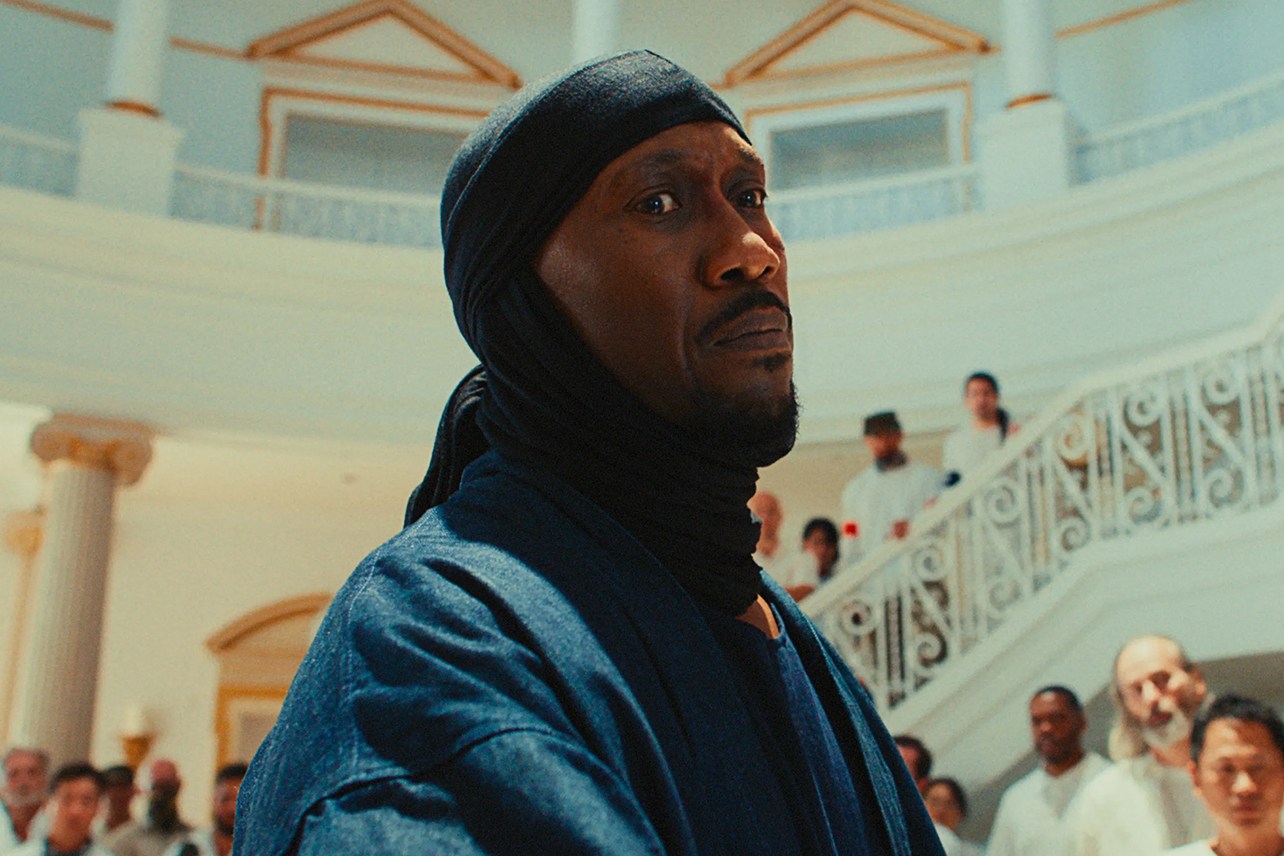
Whenever you go into a Kelly Reichardt film, you can expect something slow but profound. Her 2019 film Certain Women certainly set no reels ablaze with its pace, but the characters in it are so real that you can submerge yourself into the calm rhythms and enjoy what delectable slice of Americana she has plated up in front of you. It is quite saddening to report that The Mastermind, a bum-numbingly shaggy heist movie piloted by Josh O’Connor doing his absolute least, places every sliver of profoundness it could have had beneath the cellars of the subtext’s cellars.
The Mastermind begins in 1970 with the nuclear family set up of James B. Mooney (Josh O’Connor), his wife (Alana Haim) and two boys as they float through an art gallery. If there was a fragment of personality to the film, it is in this opening sequence where one of James’ son’s attempts to tell a riddle but keeps getting it muddled up, forgetting to make sense before ending without consequence.
If there was a direct statement of intent from Reichardt, it is in that this inconsequential riddle resembles the rest of the film itself. The scruffy-bearded James – Josh O’Connor showing remarkable versatility in how to be disheveled between La Chimera, Challengers and this – notices the guards are literally asleep at the wheel when it comes to protecting the works of art in the gallery and begins concocting a plot to steal them.
It soon becomes apparent that James, much to the irony of the title, is not that much of a mastermind in anything but being the guy who comes up with the heist itself. This is due to the heist coming unstuck before it’s even begun: James can’t get childcare, so he throws a few dollars into their palms to amuse themselves at the mall; one of his crew abandons him minutes beforehand; and another brings a gun after being told not to do so, leading to a very quick Chekhov’s gun scenario. After they go their separate ways, things go further wrong as crew members are arrested and point the finger at James. The rest of the film is James on the run for his theft.
Unlike more common portrayals of American men in the 1970s who are in a nuclear dynamic, James is without a job and is not the breadwinner. A symptom of such a scarce script from Reichardt means we don’t ever find out if James was a conscientious objector to the Vietnam war that often permeates the subtext, or how he interacted with what has caused massive societal disillusionment. Did he lose carpentry jobs to returning soldiers? We have no clue. Audiences are left with questions that demand answers, if only to understand who the character is on a less shallow level.
There are too many expository questions asked from audiences for Reichardt’s slow-burn to find anywhere near enough payoff. That he relies on handouts from his mother plays into the idea of the fallen, disenfranchised man that populated a lot of 1980s media. But whereas films from the era – such as Rambo or even The Graduate – tackle similar topics of societal dissolution and male fragility in more overt ways, The Mastermind fails to bring any verve, any snap to proceedings that could elevate the material from equating to chewing dry cardboard.
What does attempt to provide some snap is Rob Mazuek’s jazzy, percussive score of hi-hats that frequents the film at nearly every junction. But it exists incessantly and monotonously, underlining every single beat regardless of what emotion is being portrayed on screen. A competent score accentuates the film; this distracts to the point of acting like a metronome, Mazuek less a conductor, more a psychiatrist attempting to lull you to sleep.
But ultimately this is a genre pic that refuses to conform to any of the artistic styles of the genre. Taking it at that level, one can appreciate that Reichardt is trying to circumvent tropes and create something unorthodox in the heist genre playground. It seems, however, that all The Mastermind does is prove exactly why certain genre conventions exist. Without them, all that is left is hollow pastiche of better, more invigorating heist flicks.
If you haven't already, consider supporting worker-owned media by subscribing to Pop Heist. We are ad-free and operating outside the algorithm, so all dollars go directly to paying the staff members and writers who make articles like this one possible.