

Whenever I get asked what criteria I use to determine the quality of a film, I fall back on Roger Ebert's very basic axiom, paraphrased here: I think about what the film did to me, and then I try to figure out how it did it. It's served me very well over the years, in part because sometimes what a film did to me doesn't make a whole lot of sense.
Steven Spielberg's Disclosure Day is, in many ways, one of those films. As a viewer kicked back in my comfy reclining chair during my screening, I was riveted, practically vibrating out of my seat on more than one occasion, sometimes looking up at the screen with a delight I can only describe as childlike. Sometimes in these cases, that delight fades the day after a screening, as the film's flaws begin to jump out at my more objective eyes and I discover the film I just saw is anything but perfect.
And Disclosure Day is certainly not perfect, not in the way Spielberg favorites like Jaws, Raiders of the Lost Ark, and Schindler's List are perfect. The script by David Koepp relies a little too often on conveniently obscuring certain details from key characters, while other characters talk in circles rather than simply saying what's on their minds. The plot doubles back on itself more than once, mixing up everyone's bearings in a way that makes even the more metaphysical parts of Close Encounters of the Third Kind seem straightforward. I can, as a critic with nearly two decades of reviews under his belt at this point, clearly see and acknowledge these issues.
But here's the thing: I don't care. Or at least I mostly don't care. Why? Because I know what the film did to me, what it still does to me, and the longer I think about Disclosure Day, the more its apparent flaws feel like a key part of that. This is, more than anything else, a film in which Spielberg delivers the sci-fi thriller goods while leaning hard on the value of the unexpected. I was enraptured, flaws and all, and I'm going to try to explain why.
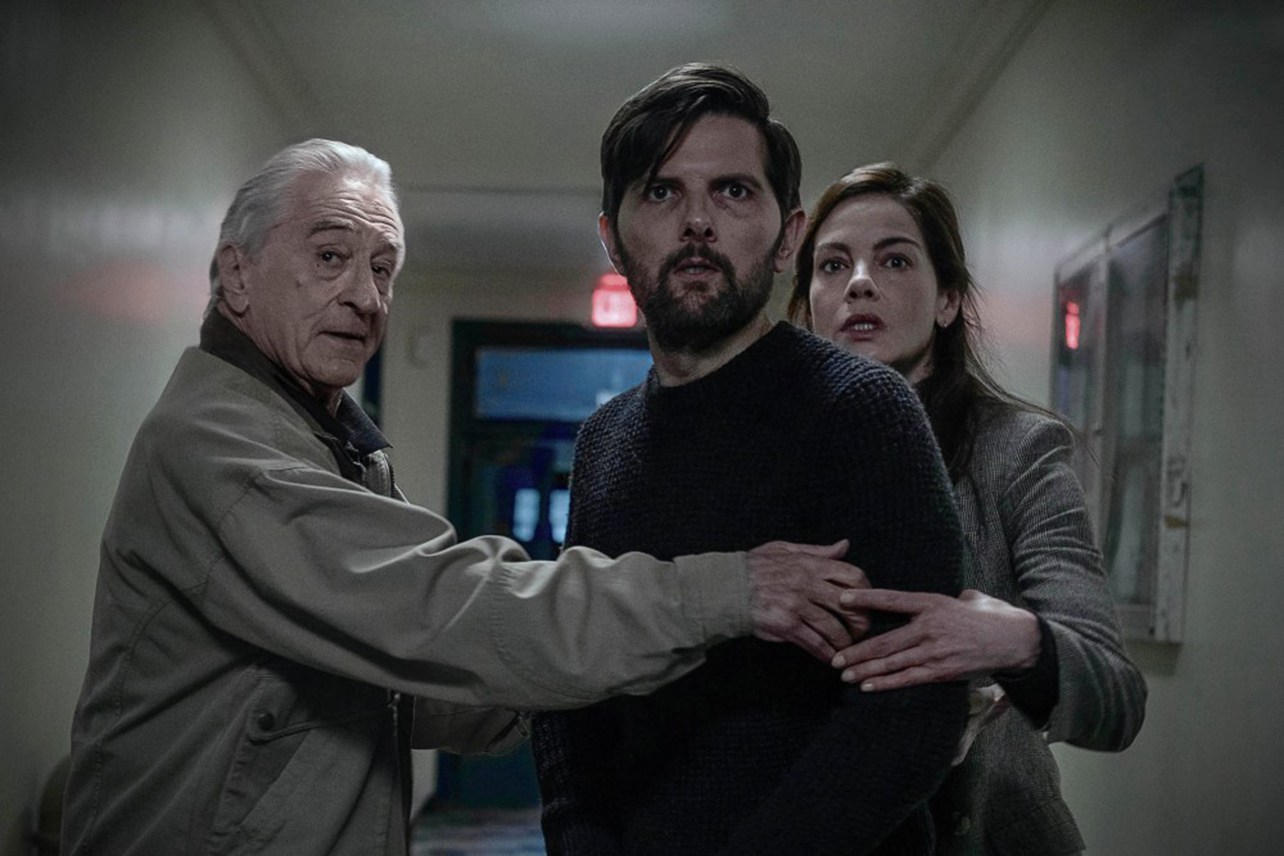
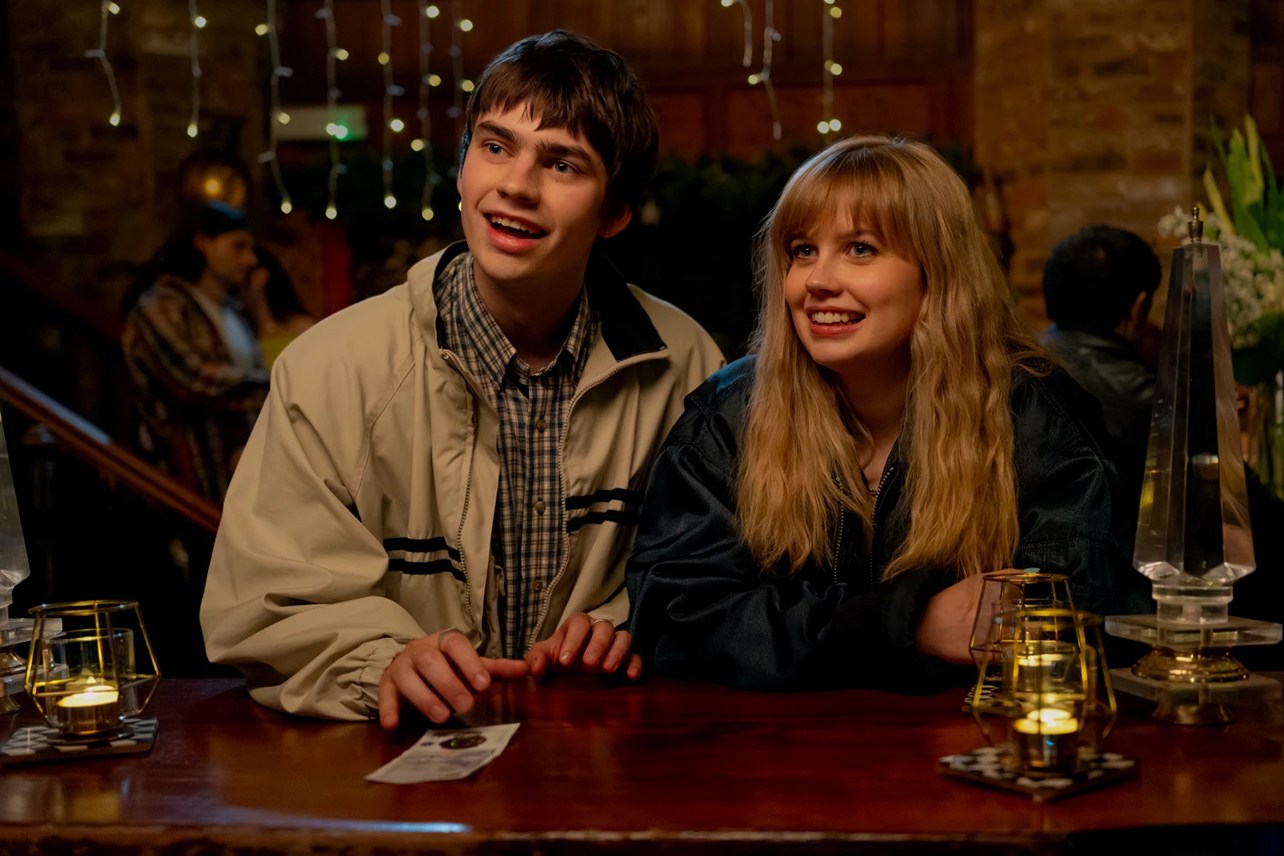
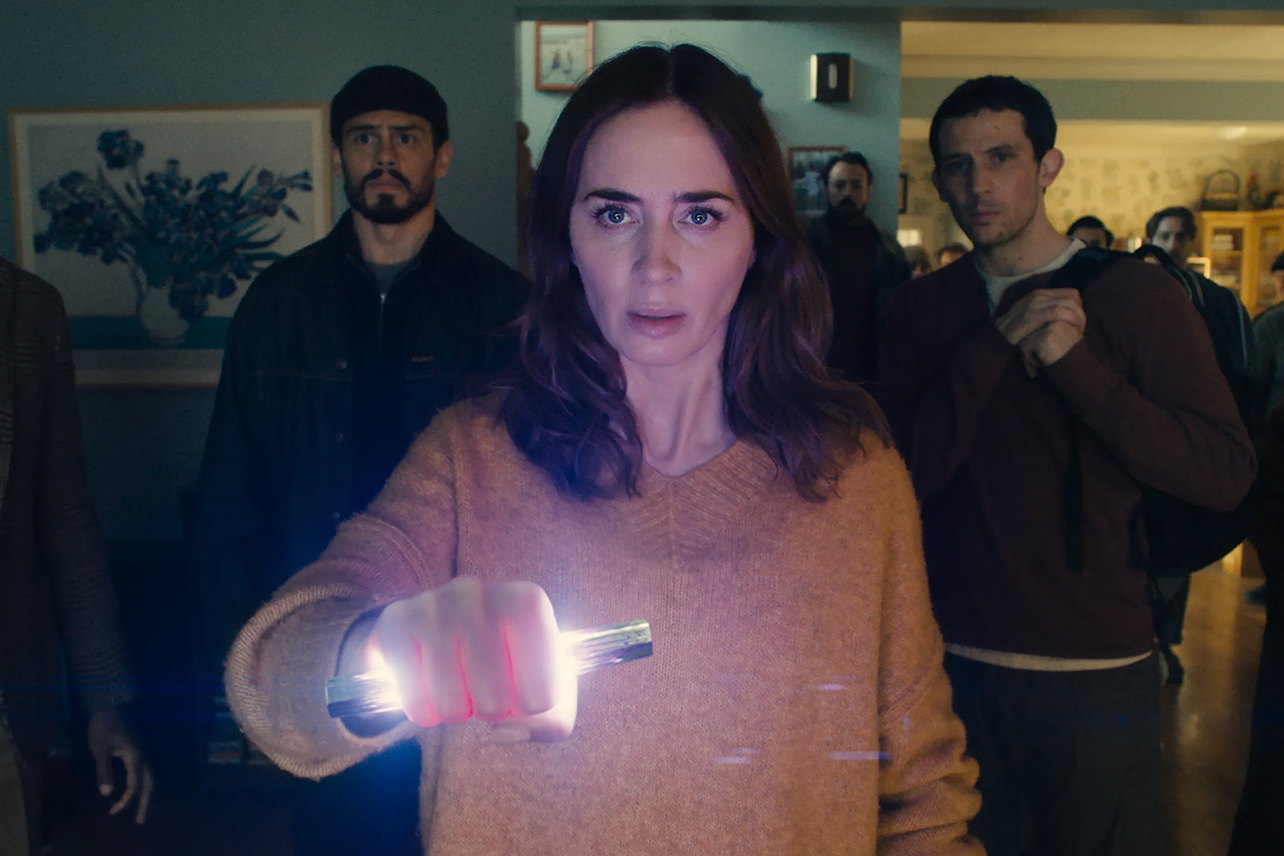
Disclosure Day is a chase movie, a race between opposing forces over a set of hard drives containing decades' worth of evidence that extraterrestrials not only exist, but frequently visit Earth. The cat in this cat-and-mouse game is Noah Scanlon (Colin Firth), head of shady tech company Wordex, who's partnered with the U.S. government to keep aliens a secret. The mouse is Daniel Kellner (Josh O'Connor), a Wordex employee turned would-be whistleblower who would like to release all of the files he's seen, which he now holds zipped up in a backpack, to the world. The truth, Daniel argues, should not be suppressed and cannot be owned. The truth belongs to everyone.
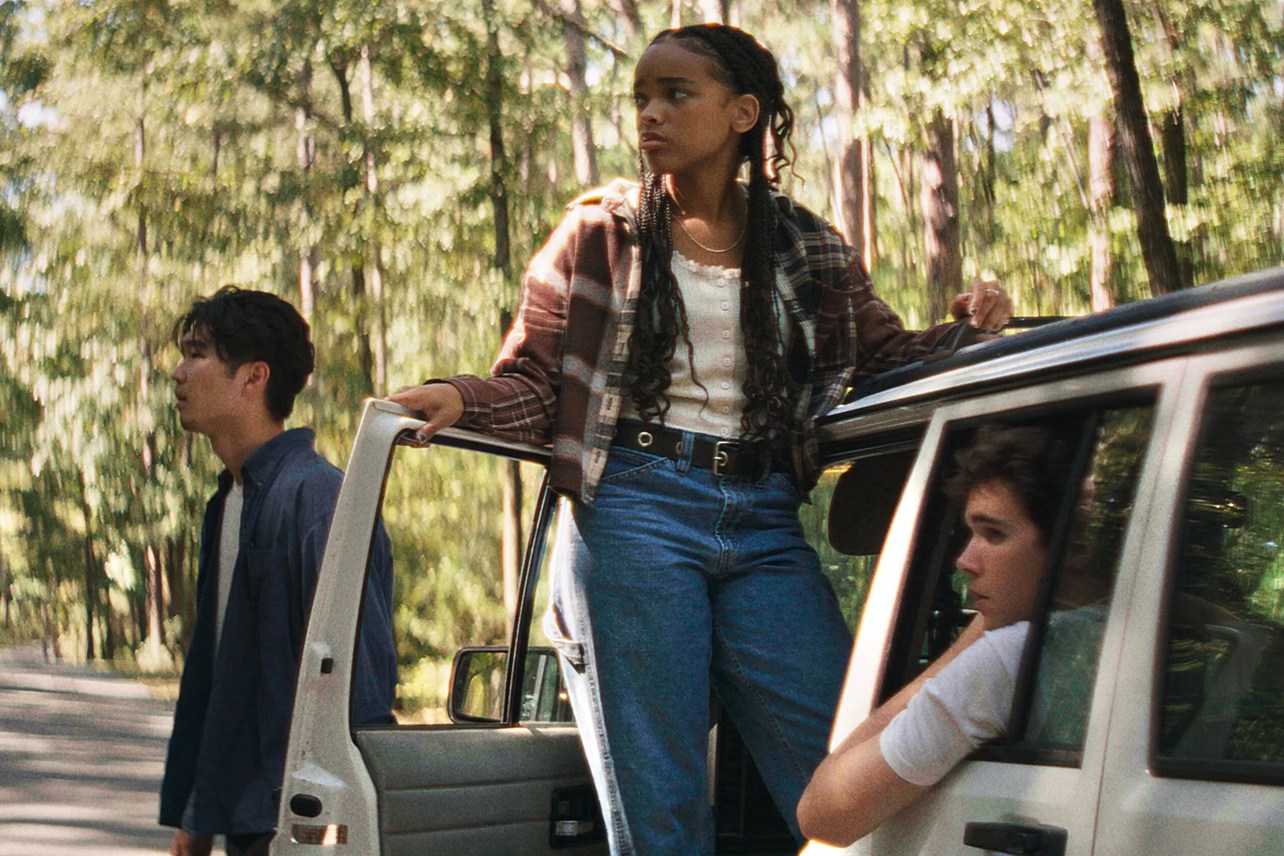
So Daniel flees from Scanlon, with his girlfriend Jane in tow, and his mentor and fellow Wordex defector Hugo (Colman Domingo) in his ear. What's Daniel meant to do with all of this information while a corporate behemoth with seemingly limitless resources closes in on him? That depends on Hugo, and Hugo in turn is depending on Margaret Fairchild, a TV meteorologist who, for reasons she can't explain, suddenly seems imbued with extrasensory powers and things she'd have absolutely no reason to know, much to her boyfriend's (Wyatt Russell) confusion.
As all of these players converge for the inevitable third-act reveal from which the film takes its name, Disclosure Day revels in the kind of chase movie theatrics Spielberg cut his teeth on. You can see The Sugarland Express and Duel in this film, just like you can see later successes like Minority Report. Spielberg loves this kind of linear, granular action, a battle of wits between the pursuer and the pursued, and he rises to the occasion beautifully with the help of cinematographer Janusz Kaminski. From a gorgeous one-take shot in which the camera flies back and forth over a farmhouse fence to a sequence involving a train collision that sent my heart up into my throat, the craft is all on point. The first two-thirds of the film are a breakneck pursuit thriller, and the way Spielberg assembles everything – from close-ups of hands directing us to key details to the master shots that make him a master of scene geography – keeps you hooked.
It's all quite successful on a basic, nuts-and-bolts blockbuster level, but what really makes Disclosure Day for me lies in its ability to deliver those edge-of-your-seat goods and then swerve, sometimes quite hard, away from them, into something more complex and, dare I say it, emotional. Steven Spielberg, of all people, doesn't need to prove to anyone that he can still deliver blockbuster-level thrills in a motion picture. It feels second-nature to him at this point, at a level that makes it look far easier than it is, but the point is not to prove something. The point is to buy goodwill, and tension, and anticipation for what Spielberg's really after.
Because there are moments, moments not unfairly catching flack from some moviegoers at this very moment, when the film not only slows down, but seems to deliberately switch its pace, stutter-stepping through repetitive dialogue, long scenes pondering the Meaning of It All, and a reveal related to Margaret's past that seems, at first blush, both too convenient and maybe too hokey. We give a lot of other films of this size a lot of grief for filling space with scenes of people just sitting in rooms, explaining things to each other, but Spielberg makes it work. No one on the planet shoots dialogue like he does, or understands the importance of reacting in dialogue sequences. Other filmmakers wouldn't be able to carry these moments, particularly when the plot feels like it's straying from the point, but Spielberg does it, and while it might feel in the moment like he's spinning his wheels, he's actually preparing us for something.
I can't, and won't, say much about what lies in the third act of Disclosure Day, save to say that it absolutely revels in the unexpected. You're watching a chase movie for almost two hours, and then suddenly things get much stranger, more reflective, even quiet. The conflicts that held the film together for much of its runtime start to, if not fall away, at least diminish in the face of the moment that's coming. You can probably tell from the title what that moment is, but I promise you're not prepared for it. Spielberg spends much of his third act shifting allegiances in his characters, shifting perspective, even flashing back to the past, and for a moment the film threatens to grind to a halt. Then, through Spielberg's magnificent gift for filming faces reacting in astonishment, it reaches beyond its thriller hook and taps into something so profound I was nearly weeping. The film is an exercise in building up all of these big blockbuster elements, from shadowy agencies to alien tech to great car chases, and then asking whether or not they really matter in the face of the truth. It's a film that grips you so hard you can't look away in the first two acts, then dares you to look away in the third. And most importantly, it dares us to imagine, amid a crumbling global sociopolitical landscape and a level of cynicism that feels unprecedented in the modern age, what a truly unifying world event might look like. It sounds impossible, but if there's one filmmaker out there still adept at achieving the impossible, it's Steven Spielberg.
Disclosure Day is a triumph not just because of what it shows us, but because of what it demands of us. Steven Spielberg wants to believe, not just in aliens but in humanity, and by the end of this film he made me a believer all over again.
Disclosure Day is now in theaters.