


Sender
Writer/Director: Russell Goldman
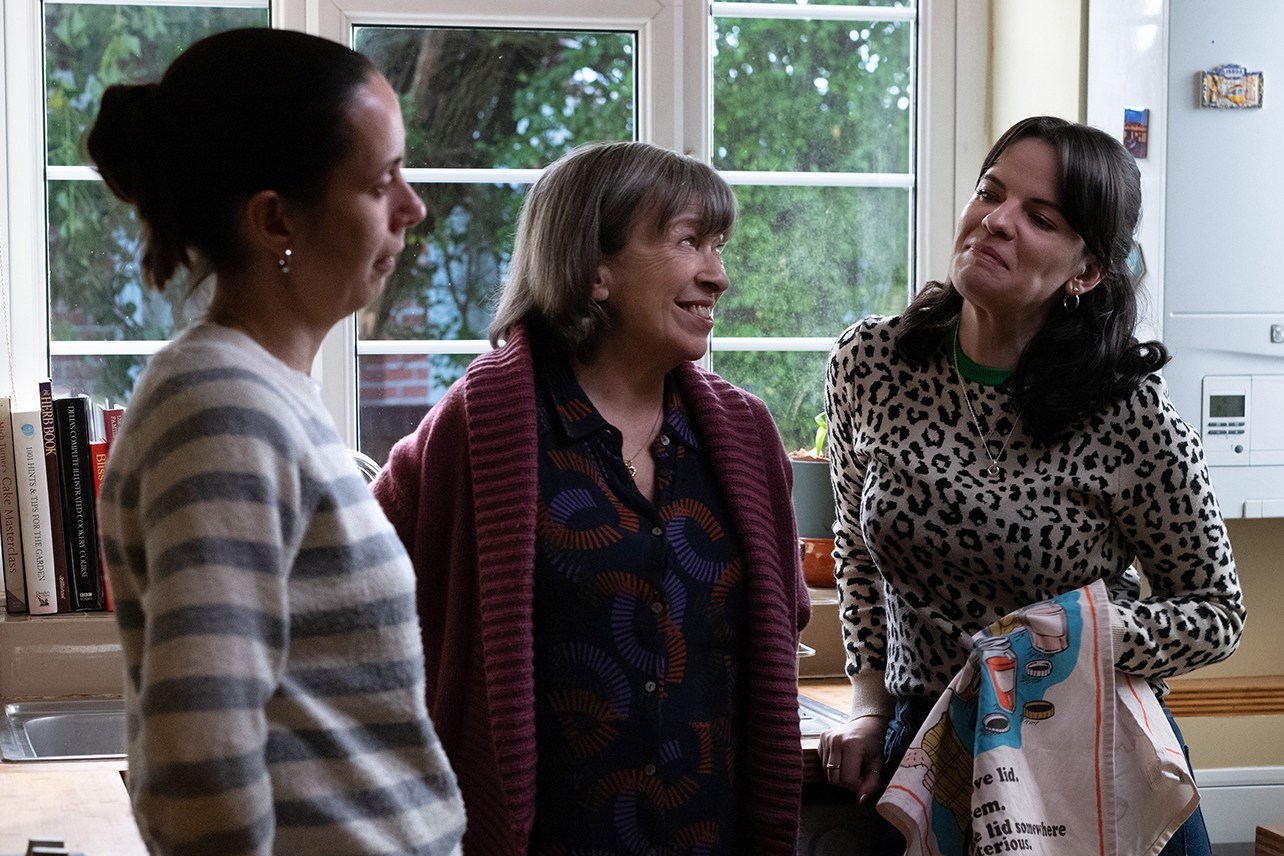
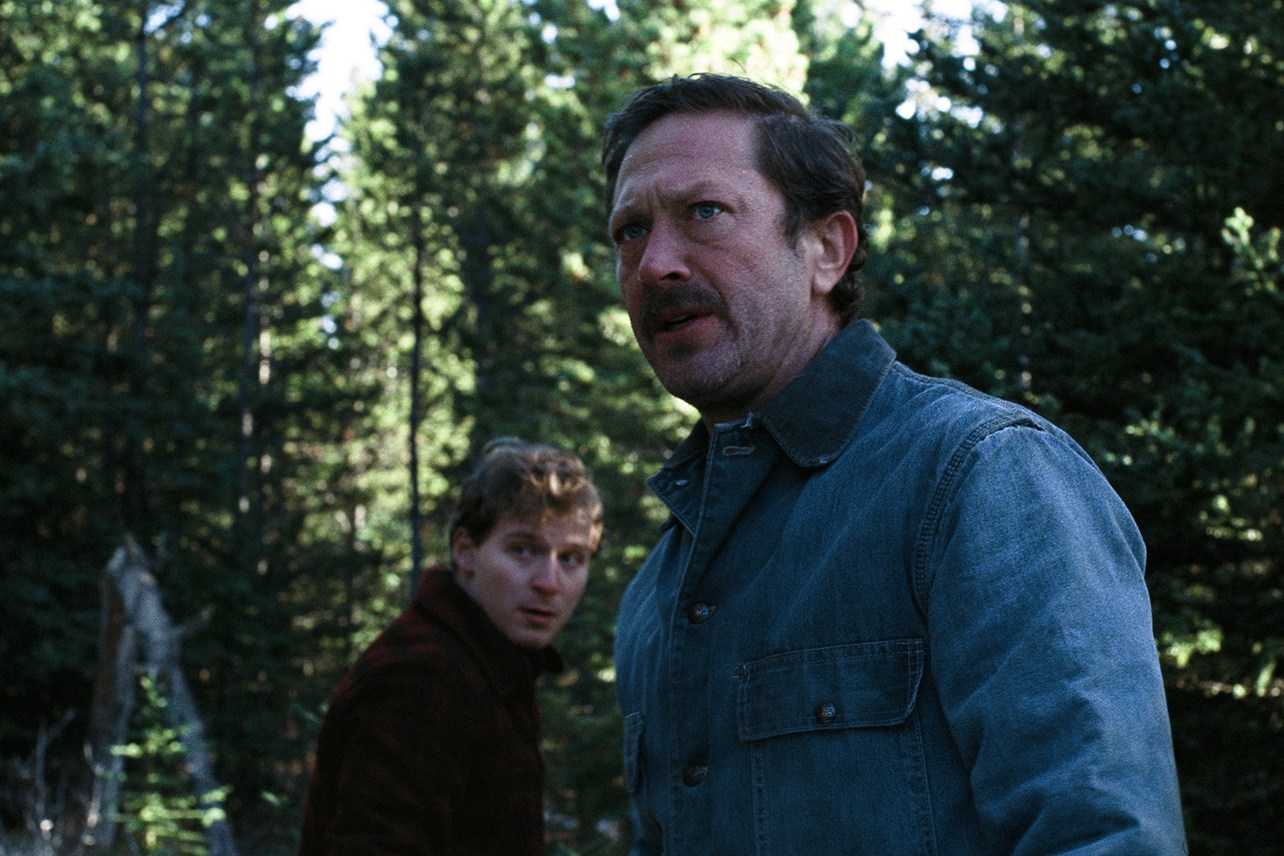
Cast: Britt Lower, Rhea Seehorn, Jamie Lee Curtis, Anna Baryshnikov, David Dastmalchian, Utkarsh Ambudkar, Mike Mitchell
I don't really know how to write about Sender without writing, at least a little bit, about myself. Not because I'm involved in the film in any way but because, very early in Russell Goldman's new film, it becomes quite clear that he understands something frightening and deeply compelling about alcoholism.
I've been a recovering alcoholic for eight years now, and I'm used to watching films and TV series that gloss over some of the more esoteric and strange parts of addiction recovery and what it does to your brain. You get your basement-set AA meetings with folding chairs and cigarettes, your Serenity Prayers, your sponsors offering sage advice, but rarely does a film seek to delve so deeply into just how weird the whole process can feel, particularly in those early days when it's easy to lose focus. Sender is not a film about alcoholism, but along the way, this gripping psychodrama featuring a fierce central performance from Britt Lower got its hooks in me because it is one of the most clear-eyed depictions of the weird parts of addiction and recovery I've ever seen, and it manages to be a pretty entertaining movie along the way.
Lower is Julia, a woman trying to get back on her feet after her drinking cost her a job and a life she thought she wanted. When we meet her, Julia's at least somewhat optimistic about the road ahead. She's been sober for a couple of weeks, her sister Tatiana (Anna Baryshnikov) has rented her a house for a fresh start, and she's started ordering all the fun new things she needs (or thinks she needs) to make the place her own from the film's Amazon stand-in, an e-commerce giant called Smirk.
In between AA meetings, where a former coworker (Utkarsh Ambudkar) kicks off painful memories of her drinking at its worst and a reluctant fellow alcoholic (Rhea Seehorn) tries to provide some level of mentorship, Julia gets a lot of packages. She gets so many that she's soon on a first-name basis with her delivery driver, Charlie (David Dastmalchian). But then something strange starts to happen. The packages keep arriving, but Julia didn't order them. Any of them. Random objects keep turning up at her house from a mysterious, unidentified sender, giving the appearance of unhinged behavior that Julia's actually not participating in at all. But who's sending the packages, why do they want to make Julia crazy, and are they succeeding?
Goldman, who adapted the film from his own 2022 short Return to Sender, structures much of Sender's first act with the bouncy quirkiness of a classic indie drama, following a woman who's been through hell and yet retained her wit and her drive to find something better than she life she had. As the packages start to pile up, though, and Julia's days turn into obsessive searches for some grain of truth amid all the strangeness, the pacing grows more frantic, more deliberately episodic. Her life fragments, torn between her sister's desire for her to be better, her delivery man's curiosity and growing crush on her, and her would-be AA sponsor's cold shoulder. She starts to measure her days in knocks on the door, in packages and strange merchandise and customer service calls that leave more questions than answers. This fragmented view of Julia's life does, at times, drag the film down just slightly, until another package comes along to jerk things back into focus, but there's something about the bumpy ride that feels deliberate. We aren't meant to find the throughline in every scene, because Julia can't find it either, and Goldman does a wonderful job in both scripting and shooting this saga for maximum discomfort of his character and, by extension, his audience.
And yet, no matter how much Sender might make you squirm, it's impossible to look away because Lower and the rest of the cast are so magnetic. As Julia, Lower gives the film not just an emotional anchor but a surprising source of dark humor, as the universe throws puzzle after puzzle her way. She's unraveling, and she knows it, but she's trying like hell to keep her head above water, to find the reason in all of this unreasonable behavior. She actually wants to be better, and yet the world seems determined to stack the deck against her. It's a performance of remarkable empathy, one of my favorites of the year so far, and it's balanced out superbly by Dastmalchian's quiet care and Baryshnikov's anxious doting.
More than any of that, though, Sender hit me right in my gut because of its ability to convey with astonishing accuracy the feeling of being recently sober after a long time of hard drinking. Pumping massive quantities of alcohol into your body day after day changes your internal chemistry, so naturally that chemistry changes again when the withdrawal fades and you're trying to deal with the blank space in your life where booze used to be. This isn't unique to alcohol, which is part of what makes Sender work for a broad audience, it just happens to be booze this time. When you let something go that you once felt you really needed, whether it's liquor or heroin or a romantic partner, your body craves fresh focus, activity, connection. The simplest way this manifests is in cigarettes or caffeine or junk food or just plain sleeping for days on end. The more complex way, is, well…it's messy. It's a process of searching, of experimentation, of frenzied obsession over seemingly trivial things simply because your mind needs something to pick at. It is, in other words, the perfect environment for someone to get lost in the wide world of ecommerce and its assorted strange wrinkles. When these things combine, Sender transforms into one of the most thematically coherent and nerve-shreddingly effective films I've seen in a long time. It's not an easy watch, but it is a rewarding one, and I truly hope it finds its audience.
If you haven't already, consider supporting worker-owned media by subscribing to Pop Heist. We are ad-free and operating outside the algorithm, so all dollars go directly to paying the staff members and writers who make articles like this one possible.