

A Long Winter
Writer/Director: Andrew Haigh
Cast: Fred Hechinger, Ebon Moss-Bachrach, Caitriona Balfe, Kit Conner
Andrew Haigh has made a living telling stories about masculinity and the prism in which men are viewed and, by extension, view themselves. Coming off what I believe is his strongest film, All of Us Strangers, I was eager to see what Haigh had in store this time. With his latest entry, A Long Winter, Haigh once again puts us in the shoes of a queer man — one that’s content with the lot in life he has been given. This young man is unaware that the approaching winter will have him questioning everything he used to believe. Based on the short story by Colm Toibin, A Long Winter is nothing but true to its title as the labored pacing makes this a forgettable affair.
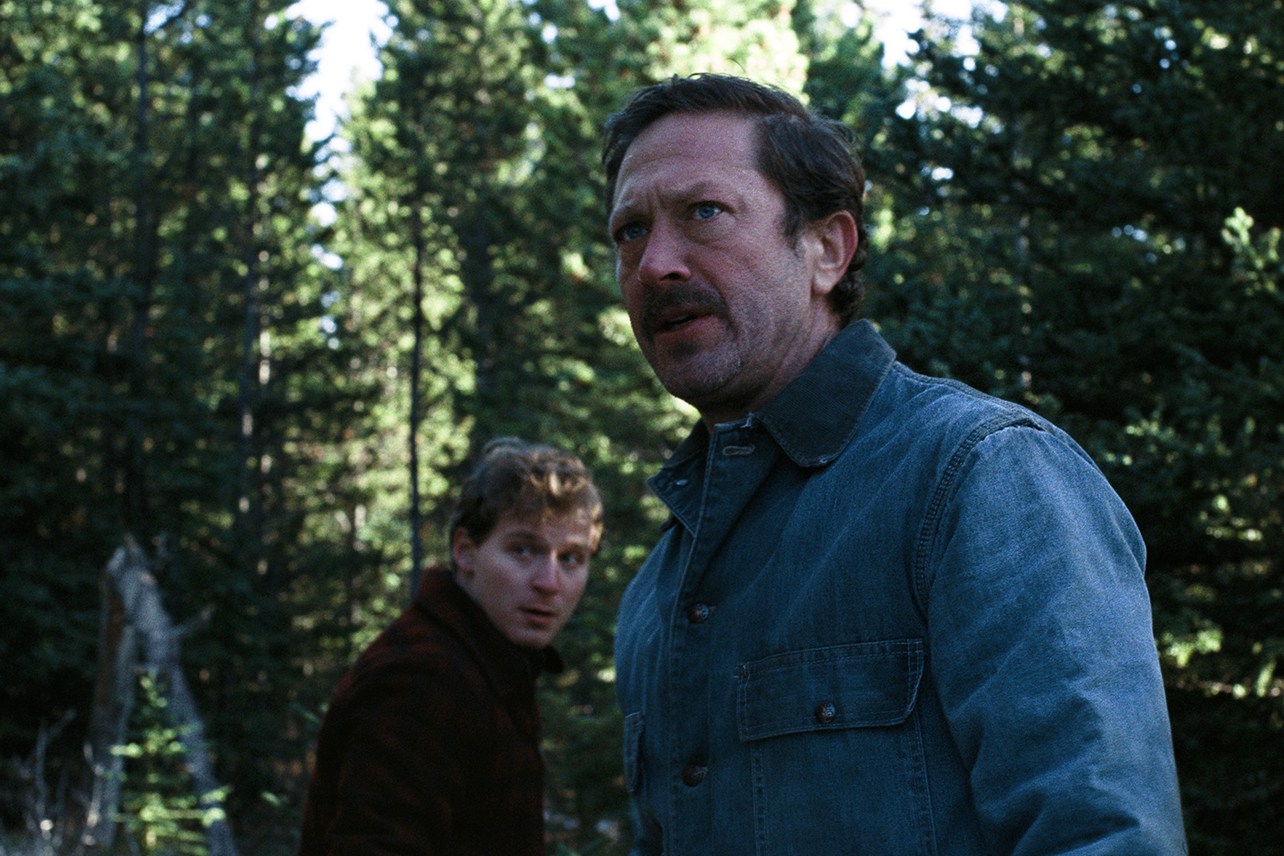
Set during the early 1950s at the height of the Korean War, A Long Winter begins with a goodbye. Tommy (Kit Connor), the youngest son, is set on leaving home and joining military service. He’s always enjoyed life in his family's’ remote cabin high in the Colorado Rockies, but he longs to see more of the world. That’s in stark contrast to his older brother, Mike (Fred Hechinger), who returned home after being away for a year. He’s always enjoyed the mountain life and being with his family. Mike and his dad Lester (Ebon Moss-Bachrach) tend to the animals and keep the money coming in, while Mike’s mom Louise (Caitriona Balfe) is the caretaker, putting food on the table, raising the children, and making sure there’s clean underwear for the next day. Mike understands that even though his life isn’t glamorous, it's noble, full of purpose and integrity. Tommy might’ve stayed on that farm if life at home was as Mike imagined, but while Mike was away, Tommy saw a side of his parents that wiped all those dreams away.
Louise isn’t so enamored with this lifestyle as her husband is. With the closest taste of real civilization over 15 miles away, Louise feels trapped in the desolate mountainside. Turning to alcohol to ease her mind and cloud her regrets, Louise self medicates her desires for a different life. If she has enough of that liquid bliss, maybe she can imagine living somewhere else. When her husband takes away her booze, that’s the final straw. She leaves that mountainside house for the last time with no desire to return.
A Long Winter relies on Mike’s naivety. Although he’s the older brother, he never witnessed how bad his mother’s drinking had become. When his mother hasn’t been found within a few days of her disappearance, most of the village gives up the hunt. They realize the chances of finding Louise alive have gone. But he continues to look for her even given the low measure of success.
While the movie never discloses where Mike went for that year, it's difficult to imagine him not picking up on how the world works. Even at home for all those years, when there’s nothing to do besides tend to the home, he’d probably be more observant to the troubles between his parents. The movie leans on this crutch because there’s no other way to tell the audience about some of these troubles, but it's incredibly hard to believe.
Mike isn’t only trapped in that desolate home, but he’s also trapped by the standards set for men. Lester obviously has some disdain for queer men — denigrating his new barber by calling him a fairy and insulting the young man who becomes caretaker for their home. Mike could never feel comfortable coming out to his father as he hides his desires for a young police man or fantasizes about the men featured in his mother’s Cosmopolitan magazine.
The biggest reason to watch A Long Winter is to see the performance of the burgeoning actor Fred Hechinger. Although he’s been in quite a few movies in the last few years, like Nickel Boys and Marty Supreme, I didn’t recognize him here. It’s a real soulful, down to earth performance that almost makes you believe this young man could be this innocent about life.
A Long Winter ends up being true to its name. Like Haigh’s other features, there’s nothing particularly egregious about the production. It's a well shot and acted feature. The problem lies in its languid pacing and it isn’t rewarded by some great revelations about Mike’s life. It's more like watching a diary unfold, day by day, in excruciating detail. Perhaps it's because the short story was more focused on the unraveling of this idyllic 1950s household as opposed to the growing independence of Mike. Either way, it's hard not to be disappointed by this trip into the desolate mountainside.