
28 Years Later: The Bone Temple
Writer: Alex Garland
Director: Nia DaCosta
Cast: Ralph Fiennes, Jack O'Connell, Alfie Williams, Erin Kellyman, Chi Lewis-Parry
If there’s a lesson to learn from Danny Boyle’s 28 Years Later, it’s that resuscitation is possible for seemingly expired horror franchises, provided a story and a reason to tell it. If there’s a second lesson to learn, it’s that rewind buttons don’t exist; there’s no going back to the way things were once the way changes, whether by crisis or time’s inexorable passage. Grocery and gas prices won’t revert to pre-pandemic or pre-Trump 2.0, though they may lower; Ukraine will be rebuilt, but unrecognizable in appearance before Putin’s war; American cities will be safe from ogres in tactical gear, but the stain of government sanctioned violence won’t wash off. The past is gone. All we can do is accept the future.
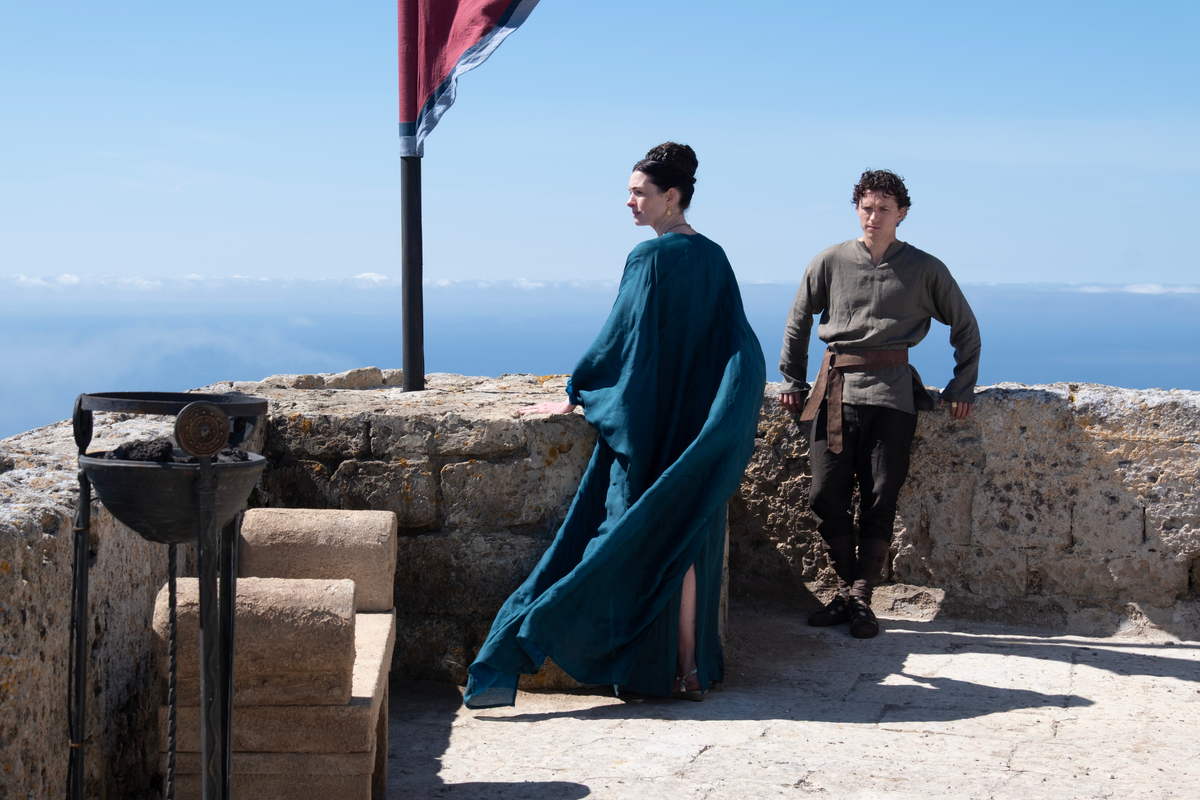
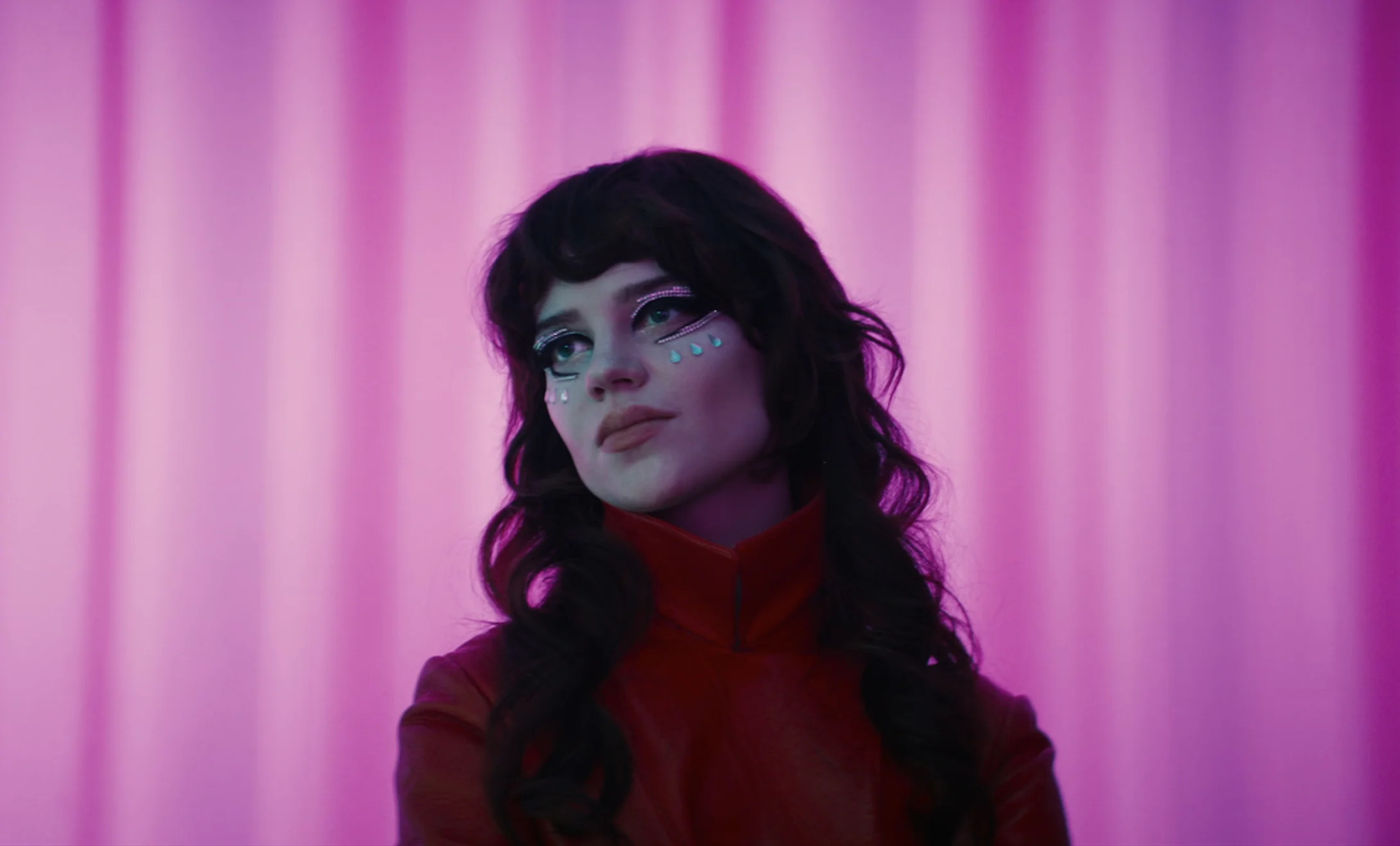
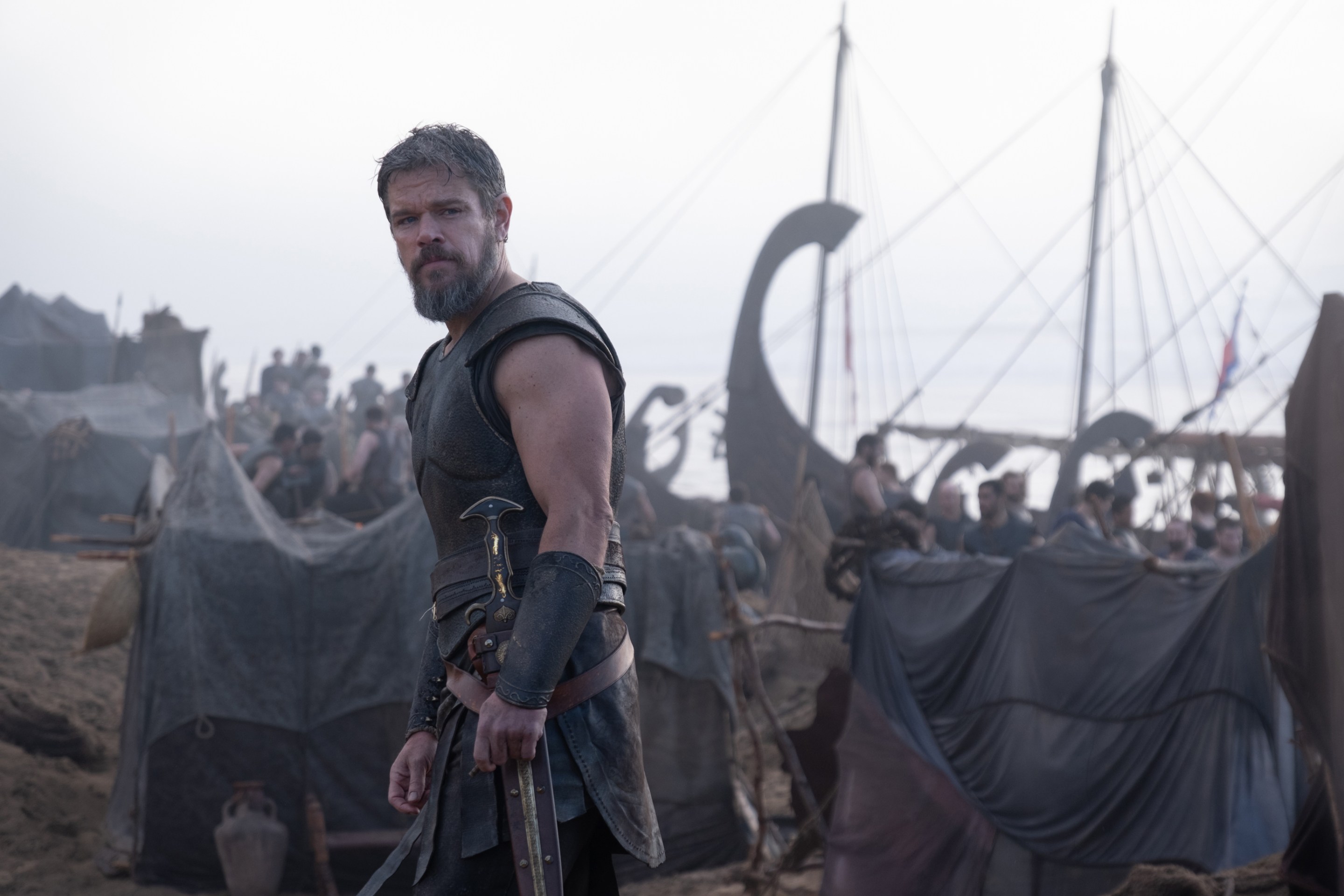
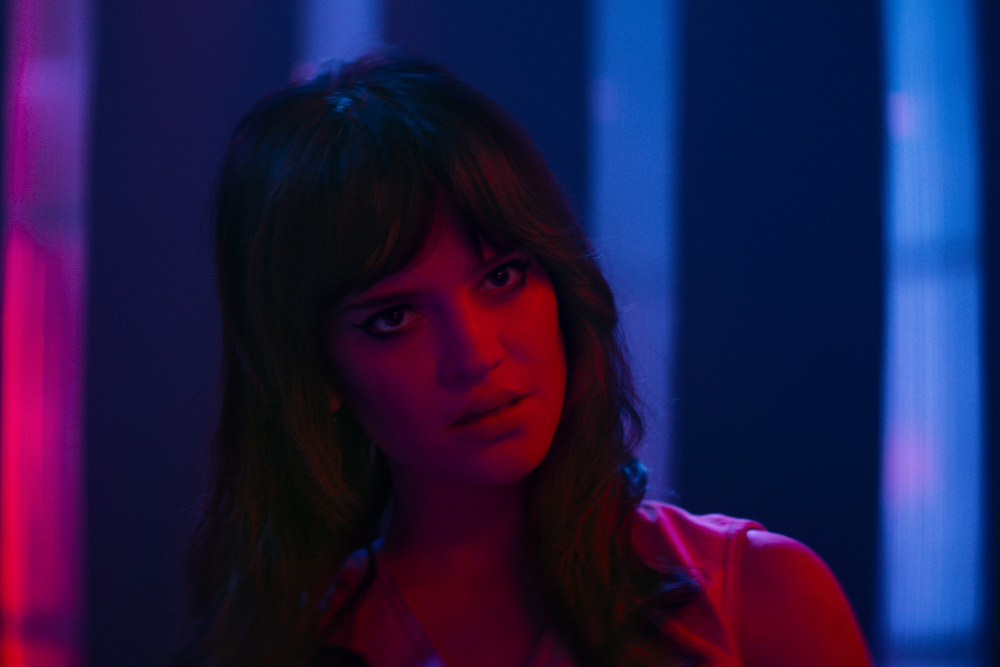
Thankfully, the future is what we make it if we’re willing to risk our lives for it, which is what Nia DaCosta means to argue with 28 Years Later: The Bone Temple, her sequel to Boyle’s film. She picks up the plot where he left off, working off of Alex Garland’s script, with young Spike (Alfie Williams) in company with the Jimmys: a gang of psycho killers modeled after the late English DJ and sex predator Jimmy Saville, led by Jimmy Crystal (Jack O’Connell), roving the country’s ruins, meeting infected people with violence and the uninfected with Ramsay Bolton’s hospitality. Poor Spike can’t catch a break; he’s out of the fire and into the frying pan, a witness to cruelty he can’t comprehend or stomach.
In horror cinema, it’s a moldy cliché for humans to be greater monsters than monsters themselves. In a film where the monsters are human, driven to barbaric acts of madness including, but not limited to, cannibalism and filicide, the cliché risks muddling text and subtext alike. 28 Years Later: The Bone Temple draws a distinction between Jimmy, the hordes of workaday infected, and Samson (Chi Lewis-Parry), the hulking Alpha infected we met in the previous film, for the purpose of serving its conclusion: each antagonists’ behavior is informed by their psychology, and they’re humanized thusly. The Rage Virus changes everyone, whether they contract it or are doomed to survive the aftermath of its rapid spread throughout Britain. Jimmy; Samson; the anonymous infected. They’re all shaped by the pandemic.
This rings true to a demoralizing degree–even those of us who haven’t become full time amateur conspiracy theorists, arguing against medical science in full confidence of their ignorance of the field, have changed profoundly through COVID-19, for better or worse. But DaCosta’s recognition of that change, and the cast’s expression of the changes their characters have endured, grounds that hard truth in 28 Years Later: The Bone Temple’s unreality. Street urchins in tracksuits, taking out zombies with a mixture of parkour and blunt force? Spires built out of spines, humeri, and tibiae, surrounding a cairn of skulls, dotting an idyllic green pasture? Fearsome man-beasts straight out of exploitation films like Don’t Go in the Woods and Death Line? If the theme hits close to home, the way it’s explored in 28 Years Later: The Bone Temple is refreshingly alien.
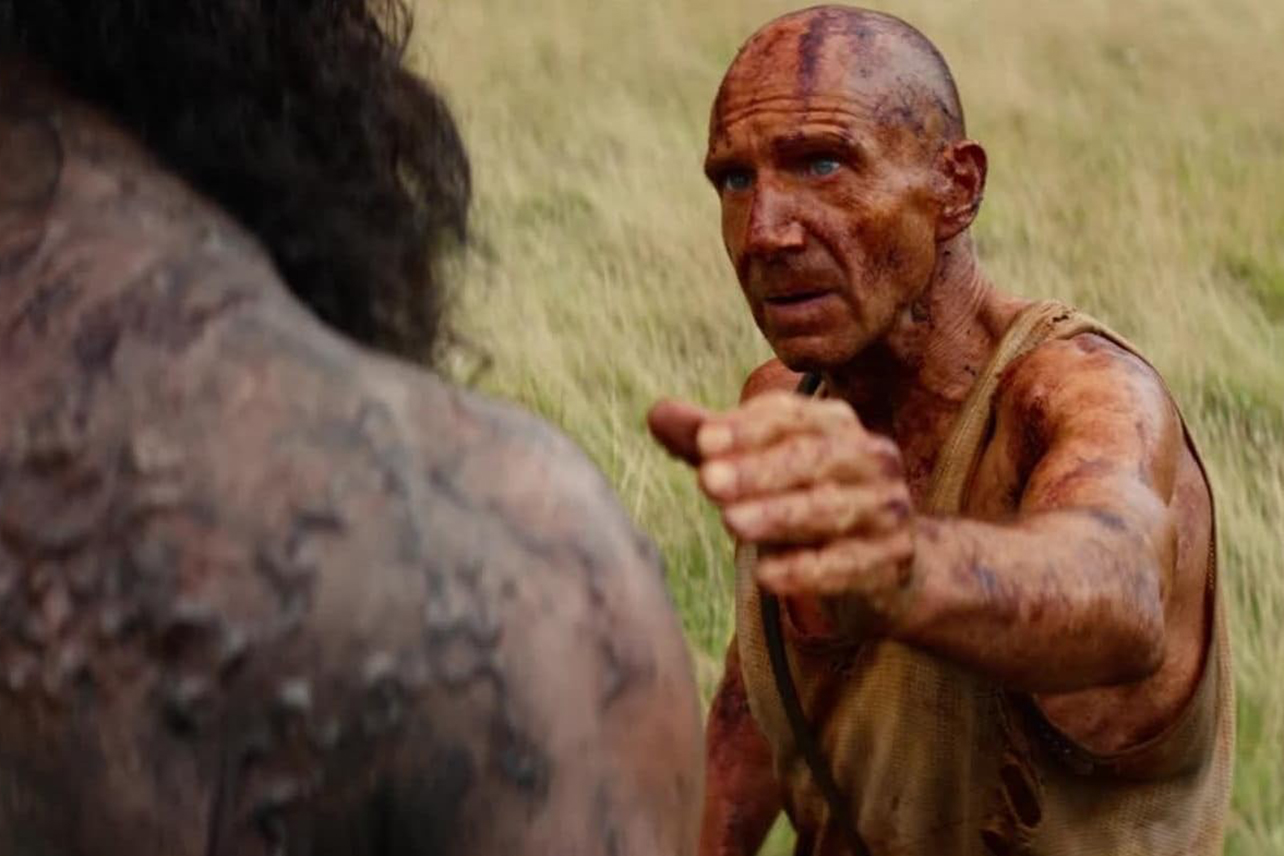
Partly that’s a credit to a change in perspective. Spike, our protagonist in the first movie, cedes the stage to Dr. Kelson (Ralph Fiennes), the good doctor who so gently euthanized his dying mom, Isla (Jodie Comer); in DaCosta’s narrative, Kelson is tasked with heavier lifting as co-lead. He spends most of the movie separated from Spike. His only company, in fact, is Samson, whose routine incursions into Kelson’s territory are actually inchoate howls for help: the opioid and sedative cocktail Kelson administers in self-defense calms Samson down where it initially appeared to merely stun him. Under its effects, he knows peace. Lewis-Parry has no lines to work with (or does he?), so the feat of communicating Samson’s psyche falls to the rotation of his eyes and the swing of his jaw, while Fiennes’ job is to fill in the silence.
Few actors are better suited for accepting that responsibility under 28 Years Later: The Bone Temple’s particular conditions. Fiennes’ acting has soul. Even his villains bear that quality, a mixture of charm, kindliness, and sage weariness. Kelson is tired and, for a man who has labored tirelessly for 13 years erecting a monument to the dead, made with the dead, close to the end; before the plot ties together its disparate threads into a skein, there’s a sense that he wishes to be done not simply with his work but with life. Samson, his project at first, and then his “friend” — as clear a callback to Frankenstein’s monster as possible without name-dropping Mary Shelley — experiences new sensations, or old ones, rather, experienced anew through his connection to Kelson. It’s beautiful, and eccentric, notably in micro dance scenes set to Depeche Mode where Kelson boogies down. (From now ‘til the day he expires, make it a contractual obligation that Fiennes must perform a musical number in his every remaining film, regardless of genre or the scope of his role. A Bigger Splash set this precedent over 10 years ago, for Christ’s sake.)
DaCosta refuses to tame the monster, though. She just lets him chill. When a reminder is needed that Samson is very much indeed a force of nature, she orchestrates one; the infected, despite having less presence in 28 Years Later: The Bone Temple than Boyle’s film, remain a perpetual danger, running down hapless survivors from the hinterland’s underbrush. They’re monsters, too, and unlike Samson, no one’s made an effort to reach them. Even Jimmy gets to sit with Kelson and unpack his neuroses, who regrettably has insufficient tools at his disposal to treat megalomania. Nonetheless, the path to common ground is as much the heart of the film’s calculus as brains splattering, flesh tearing, and bodies burning. Already in 2026, we have a contender for the year’s “most gruesome in show” crown. Softies with weaker palettes will blanch at the gore produced by DaCosta’s makeup and prosthetics teams. The rest of us will cherish the crucial bond that viscera and violence share with compassion, and the tension stirred by their contrast.
If you haven't already, consider supporting worker-owned media by subscribing to Pop Heist. We are ad-free and operating outside the algorithm, so all dollars go directly to paying the staff members and writers who make articles like this one possible.