
The Scout
Writer/Director: Paula González-Nasser
Cast: Mimi Davila, Rutanya Alda, Max Rosen, Ikechukwu Ufomadu, Sarah Herman, Otmara Marrero, Matt Barats
Making movies is such an expansive, teams-based endeavor that when we talk about the process’s output, we fixate on the most obvious and immediate production departments at the expense of others: direction and acting especially, with cinematography, writing, and editing coming in a close second. Effects get their due, of course, as well as makeup, set design, costumes, and the like, but that’s under the umbrella of what’s on screen. (One could argue that a screenplay is effectively invisible, but as the blueprint for the average film, it fits the category.) Folks with boots on the ground, though, get little to none of the credit for what’s fundamentally a group effort, which is a shame.
Calling Paula González-Nasser’s The Scout an ode to that unsung confederacy of movie workers would be a bit of a stretch. Her admiration for the location scout, being both her protagonist and a job she’s done herself, is undeniable; at times, the movie’s atmosphere could even be described as celebratory. But González-Nasser anchors The Scout in truth and authenticity, which means that alongside its sunnier elements, the film necessitates an equal measurement of sobering reality with a dash of darkness. At certain moments, González-Nasser’s script hews toward anxiety. At others, she veers the plot (such as it is) into territory that feels plainly dangerous. If that reads like an exaggeration, ask yourself if you would feel safe strolling into a stranger’s house to scope it out as a potential scene location, knowing that the only other person inside is his napping infant.
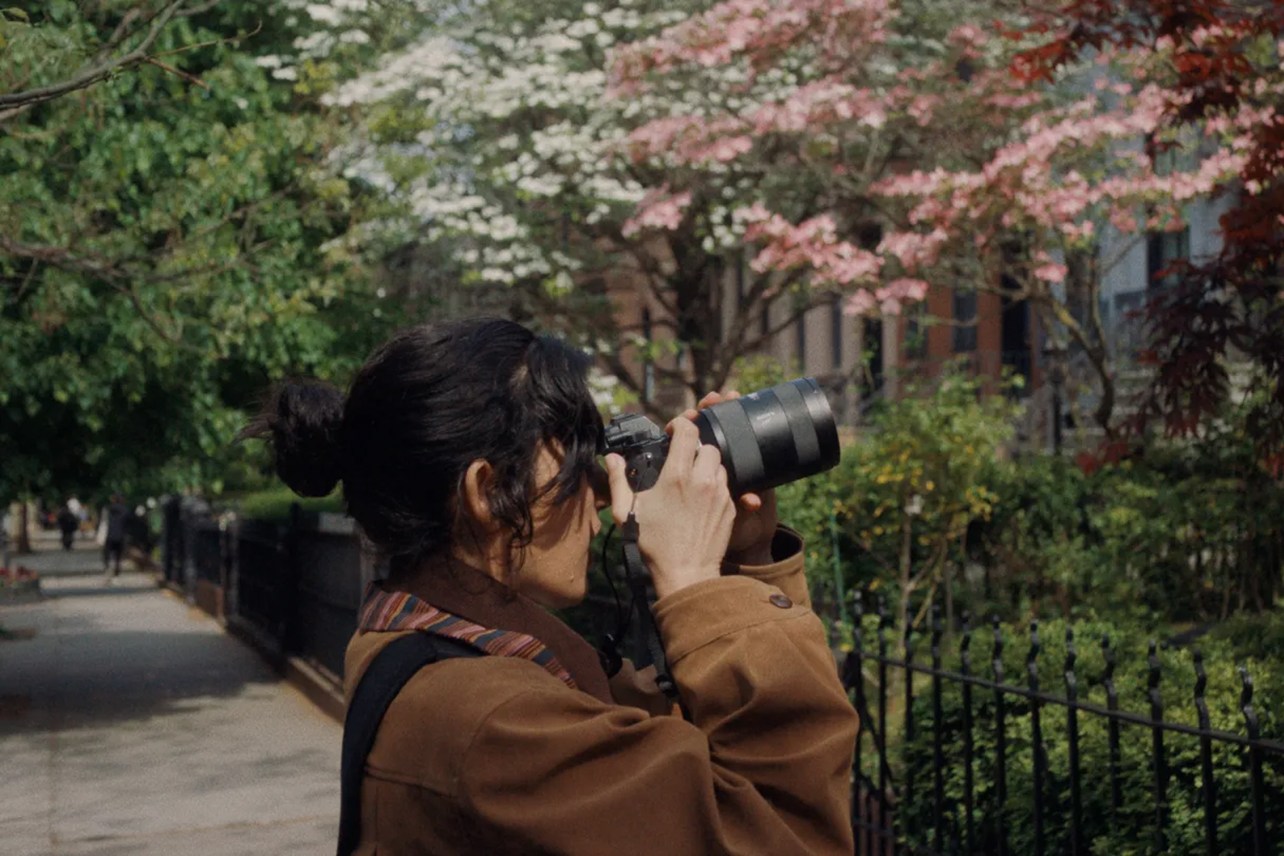
Sofia (Mimi Davila) has to perform mathematics about her personal security as she carries out her responsibilities location scouting for an upcoming TV pilot. It should be noted that we can only assume she’s making these calculations each time, for instance, that she enters unfamiliar spaces with unfamiliar people, or leaves her car unattended and double parked on the street, or enters familiar spaces with familiar people. Because Sofia hangs from a lower rung of the production’s ladder, she occasionally receives the sort of dehumanizing treatment met by hospitality workers, a’la a tense exchange with Josh (Matt Barats), an aquarium shop owner piqued by the galling inconvenience of her lateness to a meeting. If the encounter ended with his verbal abuse, it’d be bad enough. He makes things worse, and creepier, by inviting her to dinner.
Segments like this drive The Scout as a character-centric narrative more so than a plot. Above all else, González-Nasser cares about Sofia’s experience and wellbeing as her day unfolds, incongruously chaotic and agonizingly slow all at once. Aesthetically, she leans into intimate lensing and blocking; cinematographer Nicola Newton, in keeping with the material, pays careful attention to the film’s interiors and exteriors, roping in rooms and city streets to the frame as if she sees them as characters unto themselves. A great movie can be so because of the screenplay, or perhaps a standout performance, or a superb eye for imagery, but all movies exist within the confines given them by their authors. In The Scout, González-Nasser and Newton go out of their way to highlight the settings, as well as to invite viewers to consider that, in order for Sofia to hustle around New York City, someone else had to do exactly what she does in the film first.
It’s a striking realization. Movies are made of people, before the camera and behind it, but it’s practically a given that many will overlook the latter group, without whom there would simply be no groundwork upon which to build movies at all. So The Scout is, yes, a movie about movies, as well as a movie about labor; taken together, the two halves of González-Nasser’s story tell of the importance of people like Sofia relative to the amount of recognition they get for their time, sweat, and sanity. All at once, she’s invisible, she’s a scapegoat, she’s a disappointment — to her colleagues, to Josh, and to her friend Becca (Otmara Marrero) — and she’s essential to production operations, though no one bothers to acknowledge as much aloud. We’ve all been there. We’ve all gone into the trenches to earn a paycheck and emerged with our dignity intact but dinged up.
González-Nasser insists on a certain airiness to The Scout, a choice made seemingly for the sake of enhancing its contemplative qualities; she’s in self-reflection mode, telling a story about her own life through Sofia, and in so doing telling stories about other women who’ve worked in the same field and quite likely have run into the same frustrations and obstacles she does here. There’s little that’s unique about Sofia’s confrontations with the most unflattering parts of her job. Anyone who’s ever worked anywhere before, ever, can identify with the never-ending stream of nonsense and irritants she has to deal with just to earn a paycheck in her chosen vocation: annoying, and frankly stupid, customers exist in any field you can imagine, so why should location scouting be different? There are, of course, differences, because working in television beats working in client services for the tech industry, but The Scout compels our solidarity with Sofia no matter how varied our own jobs are from hers. What González-Nasser has achieved here is personal as well as revealing, yes, and confidently made, sure, and deeply unsettling given the amount of risk she takes on as her work day unfolds. Work shouldn’t be like this.