

Spider-Man: Brand New Day
Director: Destin Daniel Cretton
Writers: Chris McKenna and Erik Sommers
Cast: Tom Holland, Zendaya, Mark Ruffalo, Jon Bernthal, Jacob Batalon, Sadie Sink, Michael Mando, Tramell Tillman, Liza Colón-Zayas
In the wake of the poor box office showing of Supergirl, coming on the heels of the diminished volume of movies from Marvel Studios and that studio's struggles in the third decade of the 2000s to consistently reach the same critical and commercial success (especially both at the same time) of its films in the preceding two decades, plenty of internet pundits took to social media to declare the death of superhero films. What very few of those takes acknowledged — because the internet doesn't do nuance — is that movie genres rise and fall naturally, and there are always exceptions to the rule. One of those exceptions, apparently and at least for now, is Spider-Man. In just seven days, it became the highest-grossing movie of the year while claiming a ton of box office records. More importantly, it proved there's still a little bit of gas left in the superhero tank with a movie that combines exciting action spectacle with a well-rendered main character and a plot that both makes good use of the shared universe aspects of the Marvel Cinematic Universe (MCU) and speaks to prevalent anxieties of the moment.
Opening in the immediate aftermath of Peter Parker's (Tom Holland) decision at the climax of the previous Spider-Man film (2021's Spider-Man: No Way Home) to have his superhero wizard work colleague Doctor Strange (Benedict Cumberbatch) cast a spell causing everyone to forget Parker's dual identity, Spider-Man: Brand New Day offers us a montage of the next four years, as Peter throws himself into his work as Spider-Man. He sets his low-rent version of Tony Stark's lab in the attic of an apartment building while fighting crime across New York, earning him the accolades of the public and the support of the police, represented by Detective Jean DeWolff (Liza Colón-Zayas). But as is always the case in the best Spider-Man stories, when Spidey is doing well, life usually sucks for Peter Parker, and that's the case here, with Peter's social life limited to regular trips to his aunt's grave to replace flowers and watching his former best friend Ned (Jacob Batolon) and girlfriend (Zendaya) make their way through MIT via Ned's Instagram reels.
Throughout much of its first act, the film makes the point that all the connections in Peter's life come through Spider-Man: DeWolff, the antagonistic big brother/little brother working relationship he has with fellow vigilante Punisher (Jon Bernthal, bringing over his take on the character from the TV side of the MCU, and doing quite well), even the Damage Control (the federal department established in Spider-Man: Homecoming as having loosely-defined jurisdiction over superhuman activity) director (Tramell Tillman) will take a meeting with Spider-Man. When Peter's powers begin mutating and fluctuating, he seeks out Bruce Banner (Mark Ruffalo), living a Hulk-free life as a college professor thanks to an inhibitor device he wears on his wrist. Banner doesn't remember Peter, but Peter knows Banner from their team-ups together in previous Marvel movies.
The point is, everything in his life comes at him through the lens of Spider-Man first; as DeWolff tells him at one point, his work/life balance is all out of whack. In an evocation of 21st ennui that likely feels all too familiar to many viewers, Peter Parker exists both in the world and apart from it, his only notable social interactions coming one-way through a screen on his (product-placement) phone, social activity only at a safe remove. Spider-Man may be a friendly neighbor, but Peter Parker is functionally a ghost, moving through the world but leaving no mark on it.
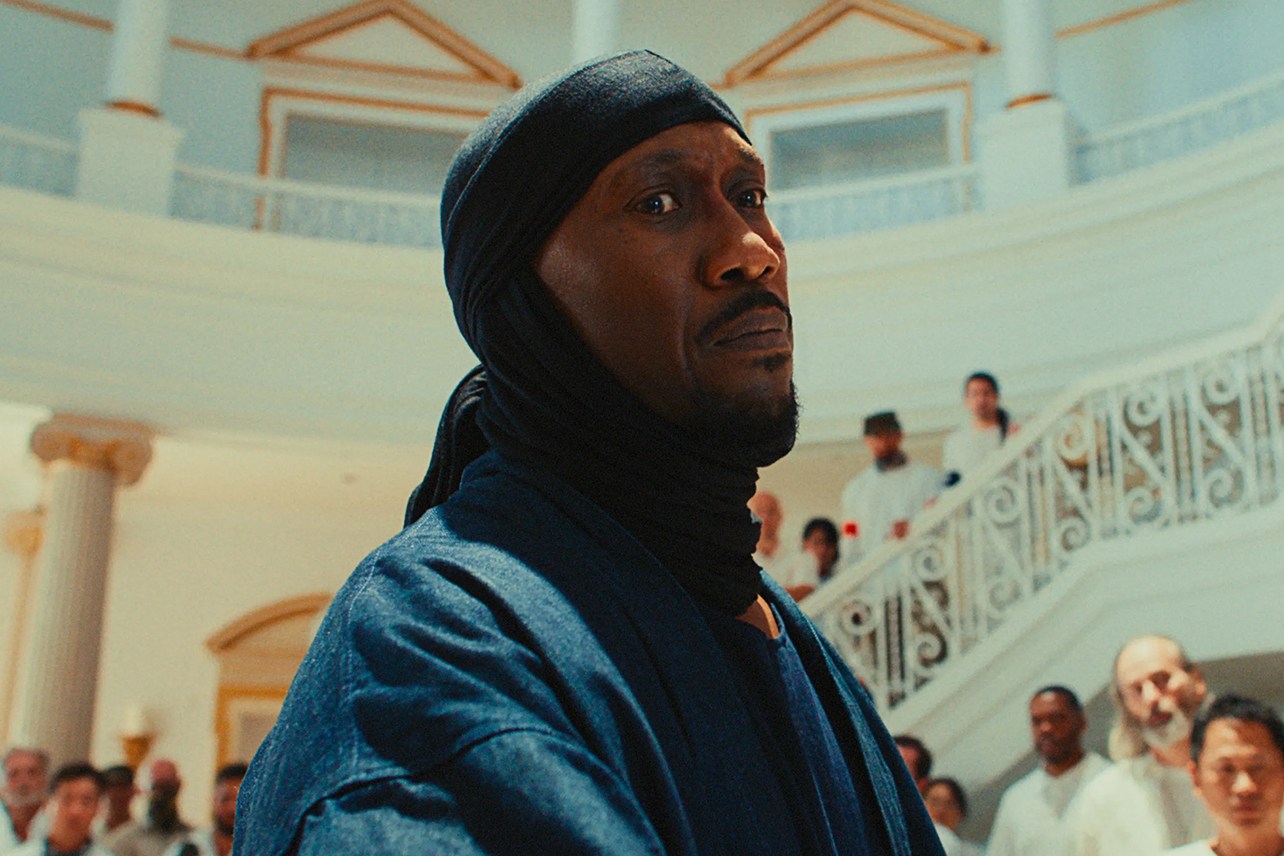
That begins to change, as MJ gets drawn back into his life by the machinations of the film's mystery villain, played by Sadie Sink. The secret of Sink's character was one of the most talked about aspects of the film leading up to its release, but in the end, it doesn't really matter (at least in the context of this film). Because while Sink plays an antagonistic role for much of the film, she's not really its villain — in addition to the isolation that forms the arc of Peter's character development in the film, Sink's character merely proves to be the agent of the real dark force at the center of the film, another that likely resonates with many viewers: institutional power and its abuses in the name of a "greater good." In this, Spider-Man: Brand New Day makes this corner of the MCU a kindred spirit with that other prodigal property of the MCU, the X-Men.
But that aside, the "setup the next story" elements of the MCU are relatively restrained here, to the film's benefit. Sink's character, and the way they force the walls of isolation around Peter to come crashing down, recontextualizes the "team-up" aspects of the story, casting Punisher and Banner not just as knowing acknowledgements of the shared universe in which the film exists or to set up a future project of their own, but also as cautionary tales for Peter. The Punisher represents the end of the road Peter is on, all work, no play, living in a broken down ship with no one but a few family pictures and memories to keep him company. Bruce Banner, meanwhile, is someone who has completely tamped down and locked away his power, utterly denying half of his whole self. Balance is the watchword throughout the film, and in this, the team-up elements of the movie succeed because they're in service of the protagonist's arc first and foremost.
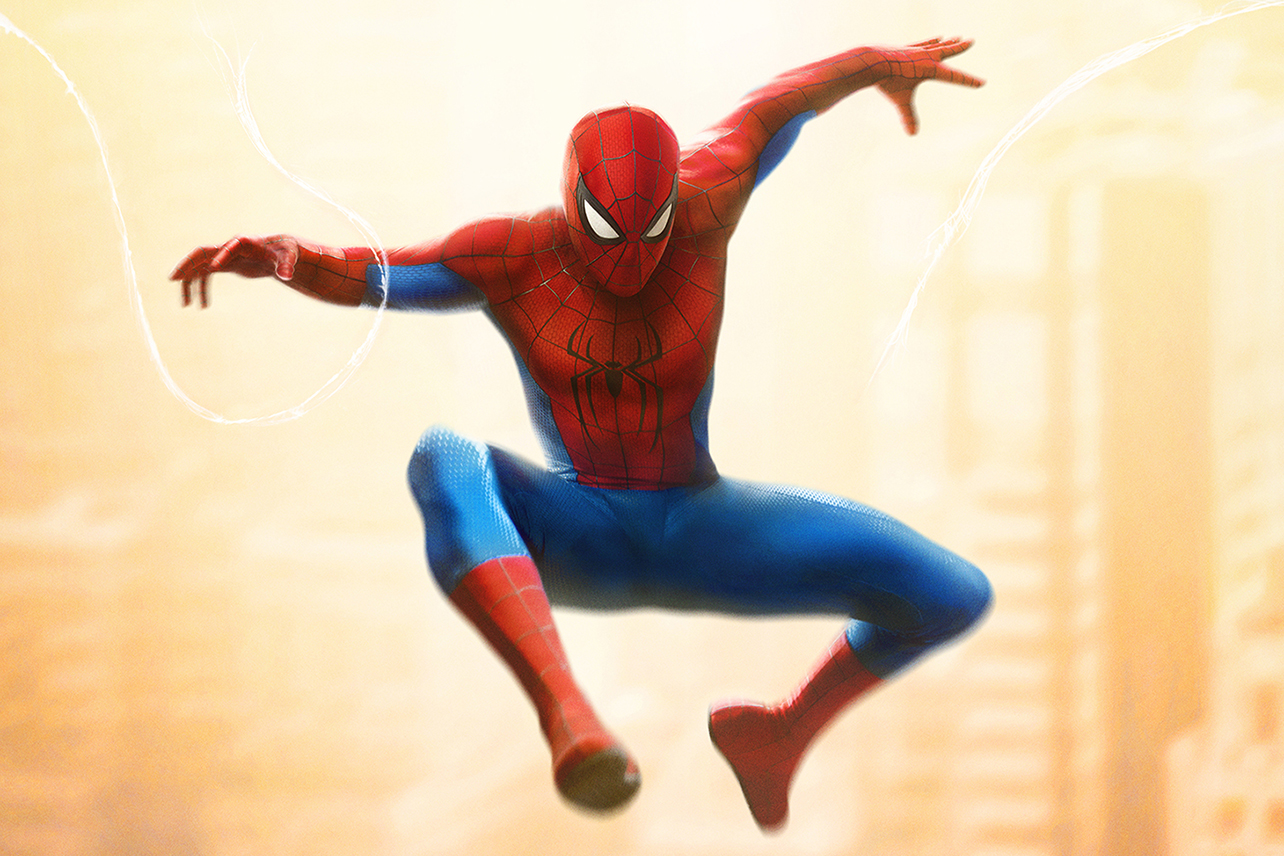
Meanwhile, director Destin Daniel Cretton, taking over from Jon Watts, who helmed all three of the previous Tom Holland Spider-films, proves especially adept at the visual language of a Spider-Man film, redefining that aesthetic to an extent no director has since the earliest Sam Raimi films. A simple shot of Spider-Man sitting on a girder becomes fantastical as the camera, not the figure, twists revealing that Spider-Man is actually sitting upside down, dangling over the urban canyons of New York. Movement of the camera comes into play later during the action sequences, such as when Spider-Man fires his webs and pulls up, causing not the floor but the entire frame of the camera to lift up and over along the arc of the webbing.
More broadly, Cretton shoots Spider-Man's action sequences with a fluidity and lightness which makes it more believable that the anti-kill-the-bad-guys Spider-Man is doing his best to not only NOT kill the goons he's fighting, but also avoid dealing them traumatic unrecoverable injuries (in contrast to, say, the similarly killing averse Daredevil, whose fight scenes in Daredevil: Born Again all highlight the visceral, bone-crunching impacts of his fighting style that makes me wonder how many of those guys are gonna get back up). Crettin also seems to have worked ninjas into the story on the basis of the premise "ninjas are cool" and, frankly, I can't really argue with that.
Certainly, there are things to quibble about in the film. It both makes a point of highlighting the potential collateral damage in superhero activity in one scene, then asks us to handwave it away later once the truth about Sink's character comes out. It also features Peter casually engaging in the kind of unrestricted mass surveillance that was an entire plot point in The Dark Knight, a sad and troubling evolution of the old "Spider-Tracer" technique. But on the whole, Spider-Man: Brand New Day is a success, a movie that manages to feel big and part of a larger universe without losing track of the character at the center of its story, one which speaks to broader themes but also feel of its moment. Whether the superhero genre is "dead' or not, the films inside it aren't going away anytime soon; it's good to see that, when done well, there's still value to be found in these kinds of stories.