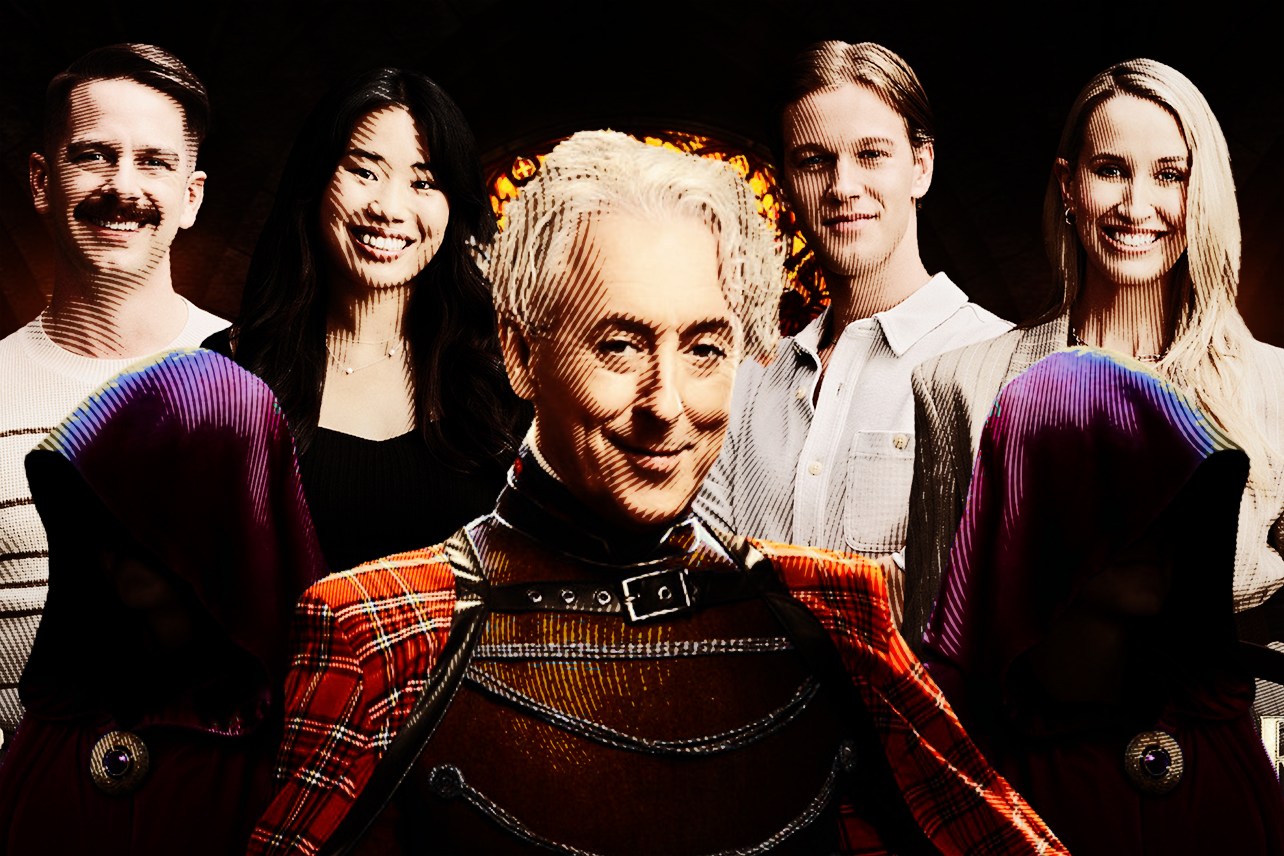

In its third episode, "The Squire," A Knight of the Seven Kingdoms slows the clatter of hooves just long enough to ask a pointed question: What does honor mean in a realm built on bloodlines, spectacle, and quiet corruption? By the time the season finale aired last night, the question felt less philosophical and more like a bruise pressed again and again.
Adapted from George R. R. Martin's Dunk and Egg novellas, the series is set nearly a century before the events of Game of Thrones. It trades apocalyptic stakes for something more intimate: a hedge knight and a hidden prince navigating a rigid, brittle social order. Yet "intimate" does not mean small. Episode 3 widens the lens on the politics of pageantry and on the dangerous gap between chivalric ideals and lived reality.
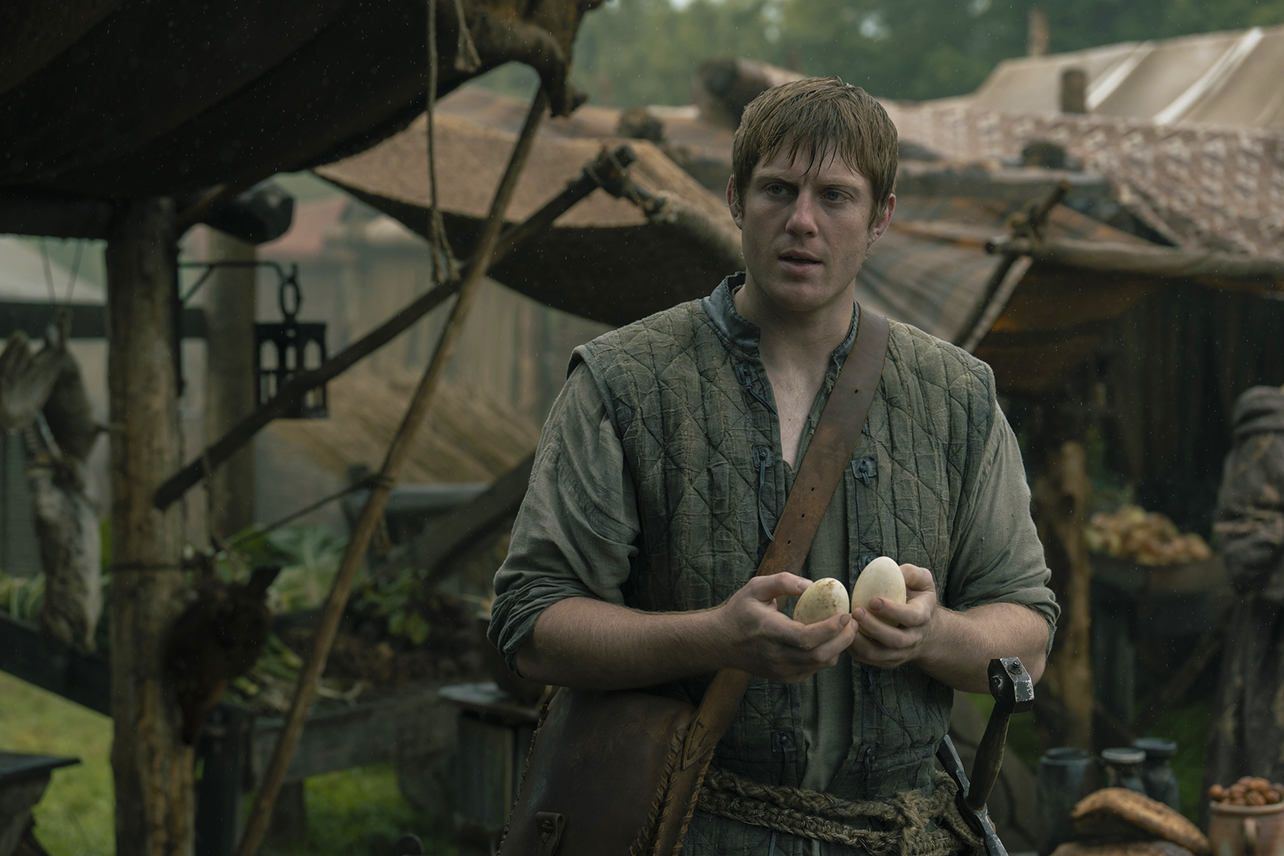
At the heart of it is Ser Duncan the Tall, or Dunk — played with open-faced sincerity by Peter Claffey. Dunk is not a fool, but he is unguarded. He believes in the code because he has to; it is the only currency available to a man of no name and no lands. When young Egg (Aegon Targaryen V) asks to squire for him permanently, the moment feels like a promise of chosen family — of loyalty that flies higher than banners.
That promise is quickly tested. Plummer (Tom Vaughan-Lawlor) privately approaches Dunk with a proposal: throw a joust against Ser Androw Ashford. The tournament has been ruinously expensive, and a fixed result would help recoup the losses. Dunk is given a day to decide. It's a classic Westerosi bind, honor vs survival, yet the show refuses to frame it as melodrama. Instead, it lingers on Dunk's discomfort.
Meanwhile, Prince Aerion Targaryen rides in with all the arrogance of entitlement and none of the restraint. In a shocking display during the first round joust, he dishonorably targets and mortally wounds Ser Humfrey Hardyng's horse, enraging the crowd.
Afterward, Dunk and Raymun Fossoway (Shaun Thomas) talk through what they've seen. Egg believes Aerion meant to kill the horse. Dunk resists the idea. However flawed, Aerion is still a prince; surely there are lines even he would not cross.
"Just hard to accept that a knight might be so dishonorable, let alone a prince," Dunk says, clinging to the architecture of his worldview.
Raymun's response detonates that architecture. Burying his expression in his pint before exploding in anger, he offers a blistering counterpoint about how honor actually functions in a system built by conquerors:
"Why is that hard? They're incestuous aliens, Duncan. Blood-magickers and tyrants who've burned our lands, enslaved our people, dragged us into their wars without a mote of respect for our history or our customs. Every pale-haired brat they saddled on us has been madder than the last, gods know how. The only honorable thing a Targaryen can do for this realm is finish on his wife's tits. So aye, I think he meant to kill the fucking horse."
Raymun is furious and politically lucid. For a franchise often accused of romanticizing its dragonlords, the speech lands like a correction. Raymun articulates what Dunk has not allowed himself to see: That nobility and virtue are not synonyms, and that proximity to power often shields the worst behavior.
Pop Heist had the chance to talk to the cast last year at New York Comic Con, and when asked about Dunk's almost naive view on honor, Claffey reflected on what it meant to play Dunk at this fracture point — when his notions of honor begin to splinter.
"Yeah, I feel like Dunk has a suppression of sort of frustration for the entire thing. Where it's awkward to try to navigate this world of knights and people of high nobility and stuff," Claffey explained. "But there are certain points where Dunk's just had enough, and when he sees something so dishonorable — as what you're referring to — he just loses every bit of logic, and that kind of stuff goes out the window. He has to let fly and sort of loses the plot a little bit. I feel like those are kind of like fun things to play as well to excite yourself up and kind of get that sort of adrenaline going."
The actor's description underscores what the episode dramatizes so well: Dunk's anger is not ideological; it is visceral. He has built his identity on the belief that knighthood means something. When that belief is mocked and essentially debunked, Dunk's restraint frays.
Claffey also described the physical process of accessing that fury. "I find literally, again, earlier to what you were referring to, it's like I had to do a lot of marching up and down. I'm trying not to look too weird in front of a lot of supporting artists that were around the place, but I was just heavy breathing, and I really did get myself psyched up," he said. "And it's amazing how much you find yourself when once you're embedded into the story, and you've done the work, you can really psych yourself up with these things."
That preparation shows. Dunk's confrontation with the moral rot around him never tips into self-righteousness. Instead, Claffey plays him as a man realizing that the system he reveres may not revere him back. The episode suggests a dawning understanding: this is not a shared code but a hierarchy.
By the time the season finale aired last night, "The Squire" had proven itself an almost thesis for Knight of the Seven Kingdoms. Showing that princes are not automatically paragons, and honor — so often invoked in Westeros — is as fragile as the animal struck down in the dust. To believe in honor in a dishonorable world is risky, but as we saw throughout the season, something absolutely worth believing in.
If you haven't already, consider supporting worker-owned media by subscribing to Pop Heist. We are ad-free and operating outside the algorithm, so all dollars go directly to paying the staff members and writers who make articles like this one possible.