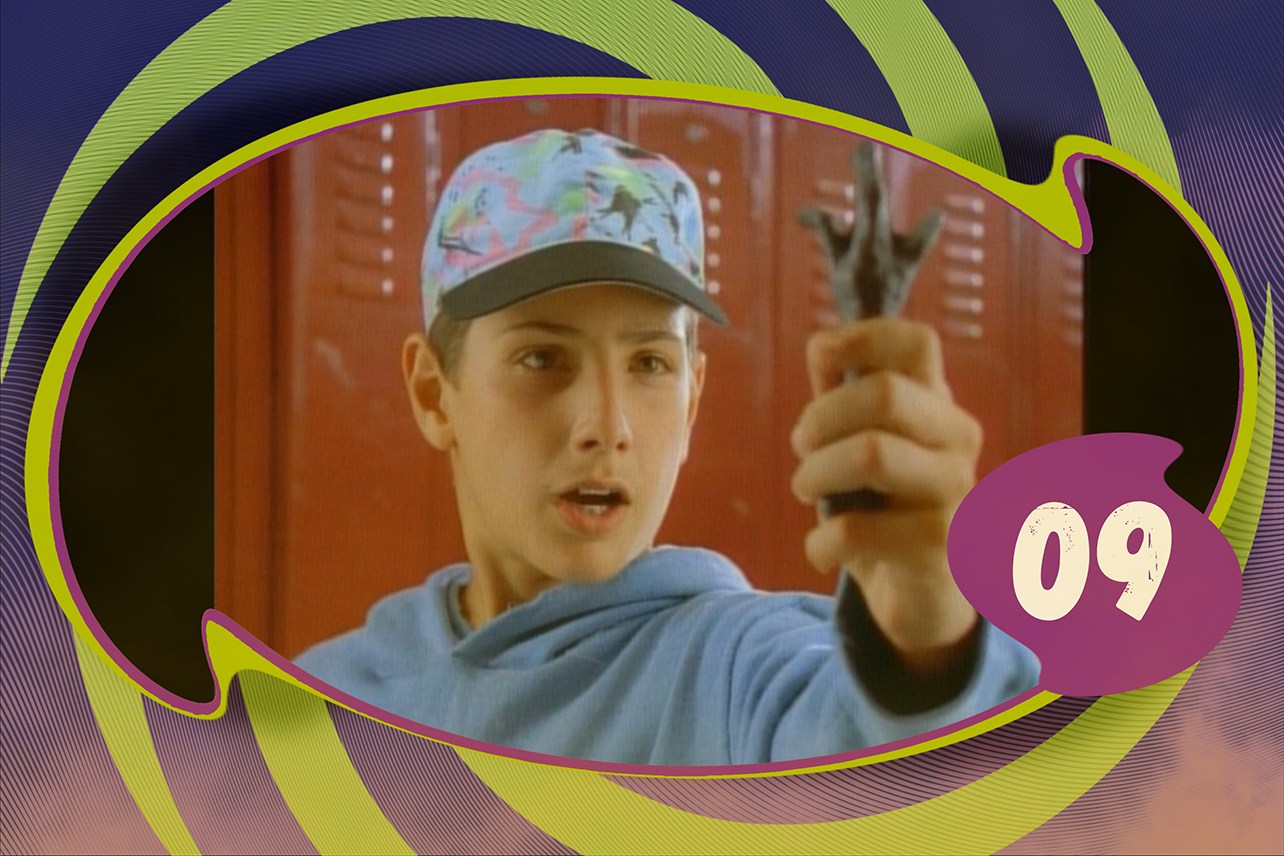


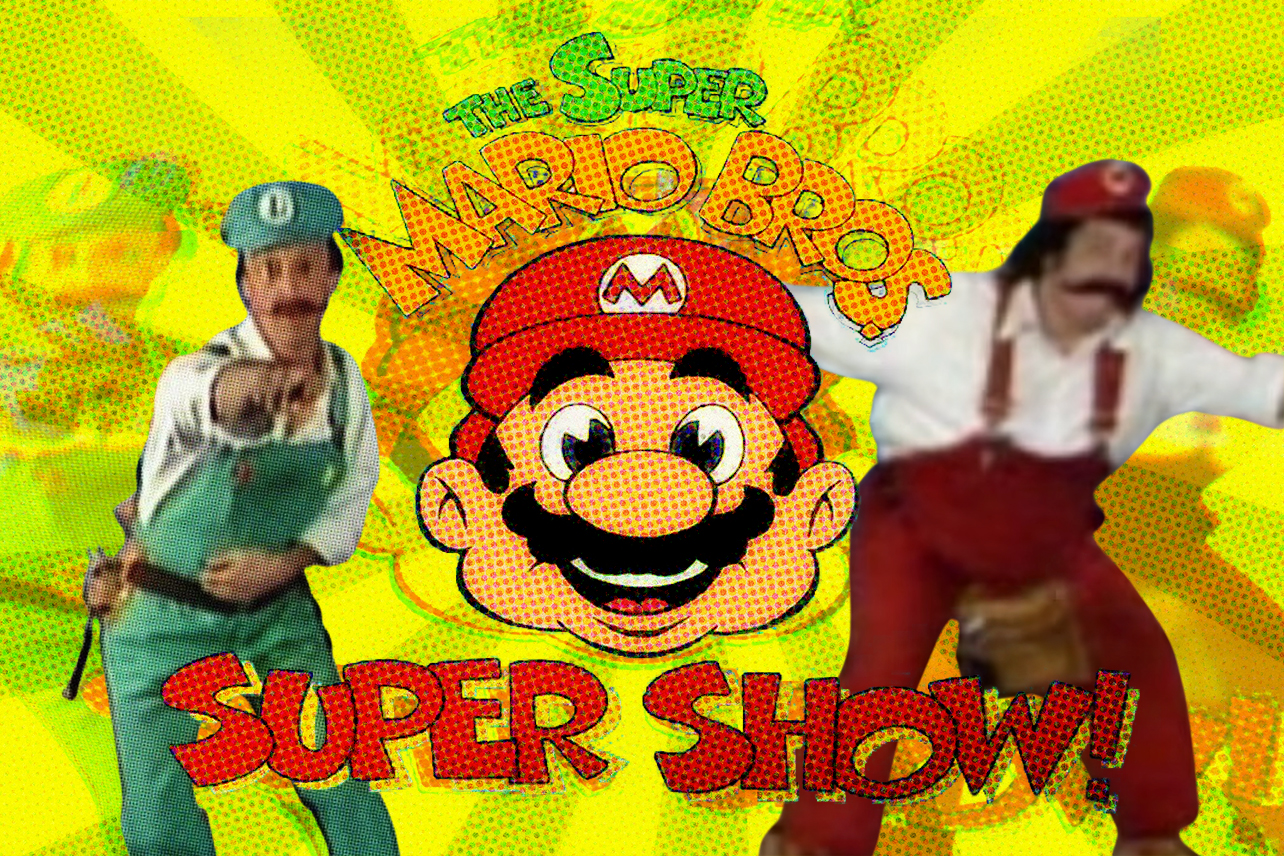
When The Super Mario Bros. Super Show! first hit syndication in September 1989, it was as if Mario and Luigi had leapt straight out of the NES and into living rooms across the country. After school cartoons were booming, but this was something new — a half live-action, half animated adventure fully powered by the biggest video game franchise on the planet.
WWF icon "Captain" Lou Albano, who had previously dabbled in children's entertainment thanks to Hulk Hogan's Rock 'n' Wrestling, donned the red cap as Mario, while Canadian comedian Danny Wells gave Luigi his easygoing charm. Together, they introduced gamedom's dynamic duo to a whole new medium while showing an entire generation of fans what it meant to "do the Mario." Each weekday, viewers tuned in to see what trouble the brothers got into at their Brooklyn plumbing shop — a hub for celebrity guests, slapstick humor, and loads of family-friendly absurdity. Between those bookend antics came animated episodes set in the Mushroom Kingdom, sending the mustachioed heroes leaping headlong from pipes into pop culture parody.
Produced by DIC Entertainment with Inspector Gadget co-creator Andy Heyward steering the ship, the show followed a year's worth of intense negotiations with Nintendo. Originally, Heyward envisioned something he called "The Nintendo Power Hour" — a programming block featuring shows based around Mario, Metroid, California Games, Double Dragon, and more. But by the time all was said and done, only the Super Mario Bros. (and The Legend of Zelda, which broadcast cartoon installments on Fridays) made it to air. Still, it showcased DIC's belief in the potential of bringing video games into mainstream entertainment.
For kids, the show was a hit. Before it, Mario and Luigi had been nothing more than silent sprites. Now, they were cracking jokes, dancing, and rapping their own theme song. The live-action bumpers, coupled with bouncy cartoons, made the plumbers feel real — heroes you could imagine living down the street, saving the Mushroom Kingdom between clogged sinks and drippy faucets.
Interestingly, the animated segments, handled by South Korea's Sei Young Animation, didn't just replay game levels — they riffed on everything. One day it was James Bond, the next Star Wars, or even a monster-movie mash-up parodying Godzilla. Sure, the final product could be a bit rough thanks to its hectic production schedule, but the enthusiasm behind the series was undeniable.
Meanwhile, the live-action skits became a time capsule of '80s celebrity cameos. Magic Johnson, Nicole Eggert, Sgt. Slaughter, Cyndi Lauper — they all stopped by the Mario Bros. shop for gags, pep talks, and even a plumbing disaster or two. Albano and Wells reportedly improvised much of their dialogue, giving those scenes a scrappy charm that felt wonderfully unfiltered. Listen very carefully to the pilot episode and you'll see exactly what I am talking about!
As mentioned, behind the fun was a breakneck production pace. DIC had to crank out 65 episodes for weekday syndication, meaning long hours, quick turnarounds, and zero room for retakes. Albano and Wells worked six days a week, filming live-action scenes before heading to another studio to voice their cartoon counterparts. As a result, some episodes look rushed, and some even contain glaring animation errors, but the sheer personality of the show powered it through. What it lacked in polish, it made up for with loads of heart.
That heart is why The Super Mario Bros. Super Show! still matters. It arrived when video games were breaking out of the arcade to become something more. Long before Sonic, Pokémon, or Minecraft, this show proved that gaming characters could exist — and thrive — in other mediums.
More than just a marketing tie-in, it gave Mario and Luigi genuine personalities. They weren't just pixels who kicked Koopa butt, but blue-collar heroes with attitude, catchphrases, and even a solid dance routine. That characterization rippled through future games, comics, and films, cementing how fans saw the brothers for decades.
Yes, the show was campy. Jokes missed, the sets looked like leftover sitcom scenery, and the editing jumped around more than a malfunctioning NES cartridge. But that scrappy sincerity is part of what made it so great. It's a show that threw everything at the wall — pipes, puns, power-ups — and somehow, a lot of it stuck.
Decades later, the show has found new life through streaming and physical media. The kids who once raced home after school to watch now share it with their families. Its influence is everywhere — in the humor of modern Mario games, in gaming's crossover with celebrity culture, and in every nostalgic nod that treats video games as pop icons, not just pastimes.
Looking back, The Super Mario Bros. Super Show! stands as a joyous artifact of unvarnished creativity — a show made by people who loved the idea of bringing video games to life, even if it meant sweating through a 65-episode marathon. It didn't just adapt a game; it proved that the worlds inside our consoles could live, breathe, and bust a move right alongside us. And, for one generation of fans, that was more than enough to make every weekday feel like a warp zone worth jumping into.
If you haven't already, consider supporting worker-owned media by subscribing to Pop Heist. We are ad-free and operating outside the algorithm, so all dollars go directly to paying the staff members and writers who make articles like this one possible.