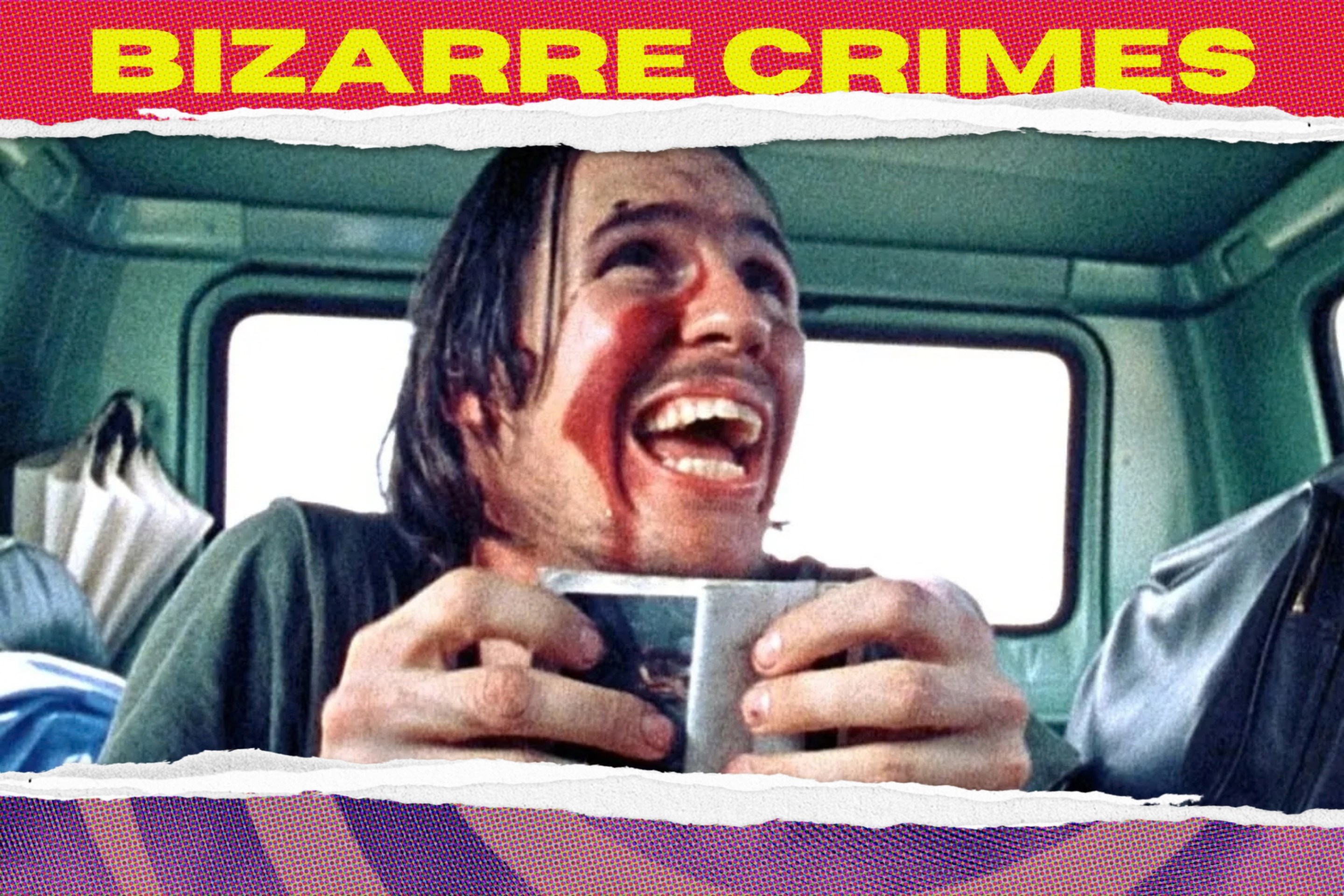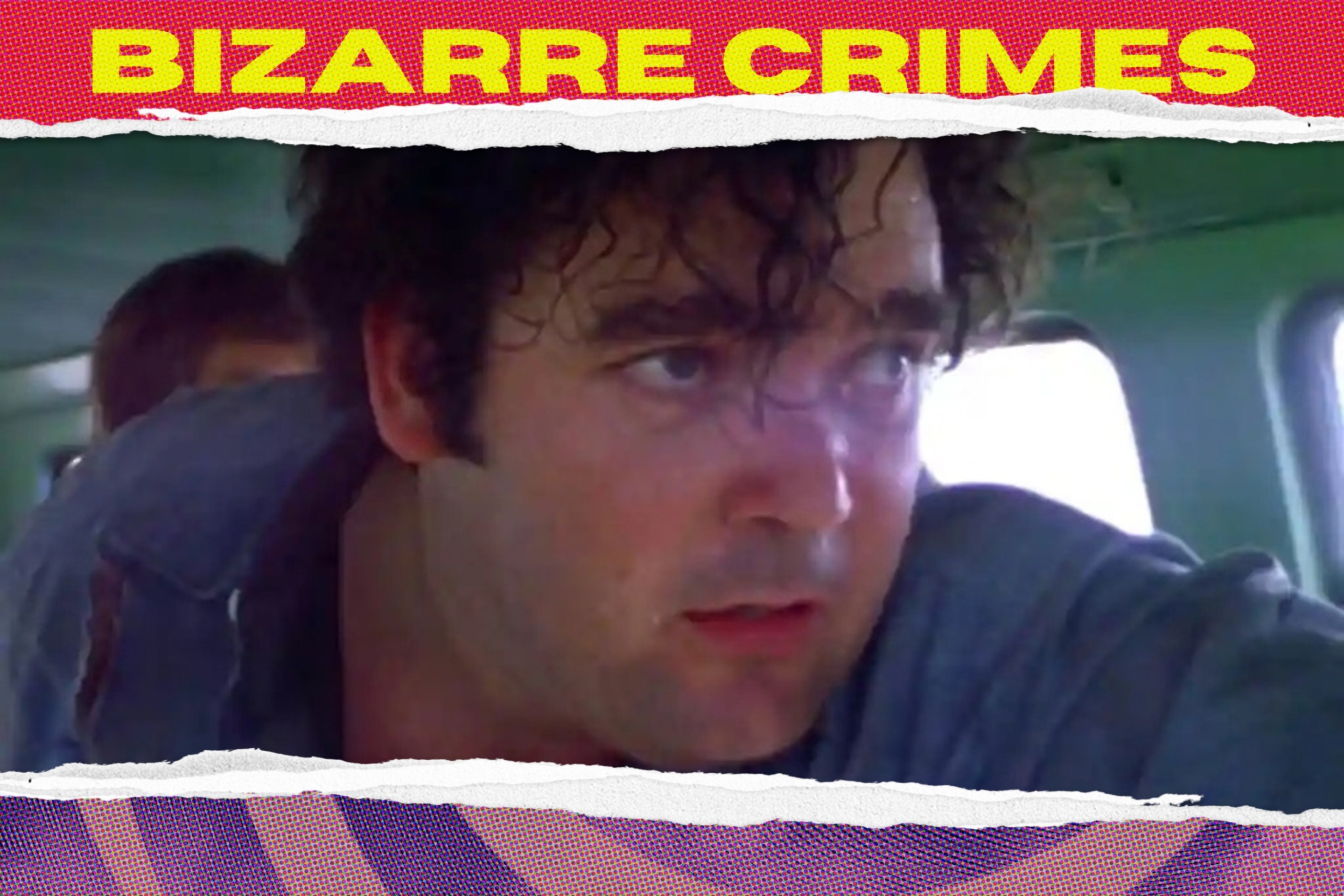


Welcome to Bizarre Crimes: Essays on The Texas Chain Saw Massacre. Join us every day in October for a new piece of critical analysis on Tobe Hooper's legendary film, as Pop Heist's Matthew Jackson breaks down why this film remains one of the greatest pieces of horror cinema of all time. Subscribe to Pop Heist so you don't miss an essay!
I've never gotten over The Texas Chain Saw Massacre.
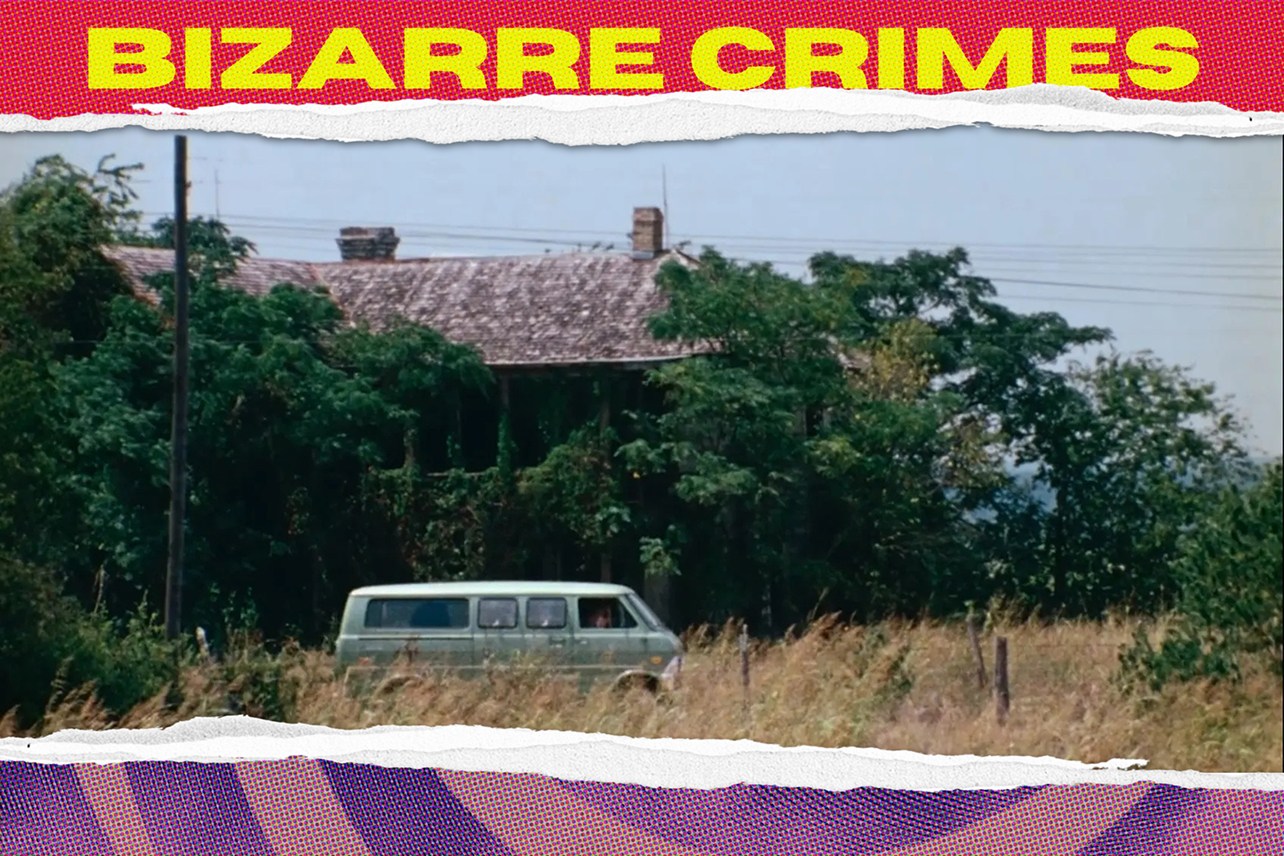
I grew up about 90 minutes from where Tobe Hooper and company made the film, surrounded by the same plants, the same wildlife, the same slow decomposition of a bygone agrarian age in Central Texas. Now I live maybe a five-minute drive from the spot where Leatherface's house once stood. It's like the film is following me.
I write about horror movies for a living, and when I'm not doing it for work I'm usually doing it for fun. I've been immersed in the genre for literal decades, and seen all manner of terrifying things, but this film is unique among all of them, no matter how depraved or indelible. I can't shake it. It's a new experience for me every time. I know the plot inside and out, I have memorized the death scenes, I can see it all in my head when I close my eyes, and yet I am never even remotely prepared for the visceral experience of watching it. In that respect, it is a singular horror movie experience.
Over the next 31 days, in essay after essay, I am going to try to explain, and understand, why. And it all starts with an opening crawl.
It's a little harder to believe now (though not much), but there was a time when many, many people thought this film was based on a true story in the most direct sense. Star Gunnar Hansen, who played Leatherface, has said in interviews that he's met people who claimed to know the "original Leatherface," as though his character leapt straight from history and wasn't a hodgepodge of invention and pre-existing serial killer lore. Even in Central Texas, where you'd think people would know better, I grew up hearing stories from people who claimed to know the location of the real house where the massacre really happened. I even knew people who claimed they'd eaten possibly human BBQ at the gas station (which is real, though it's not staffed by cannibals) where the family of cannibals sells their wares.
Some of that is simple cultural ignorance, and a willingness to believe someone when they throw out a claim like that, but the rest of it? That's all the movie. Say a forgettable horror film is based on something real, and people will shrug, but say a movie like this is based on real people, real murders, and real Texas mayhem? Well, as the man said, when the legend becomes fact, print the legend.
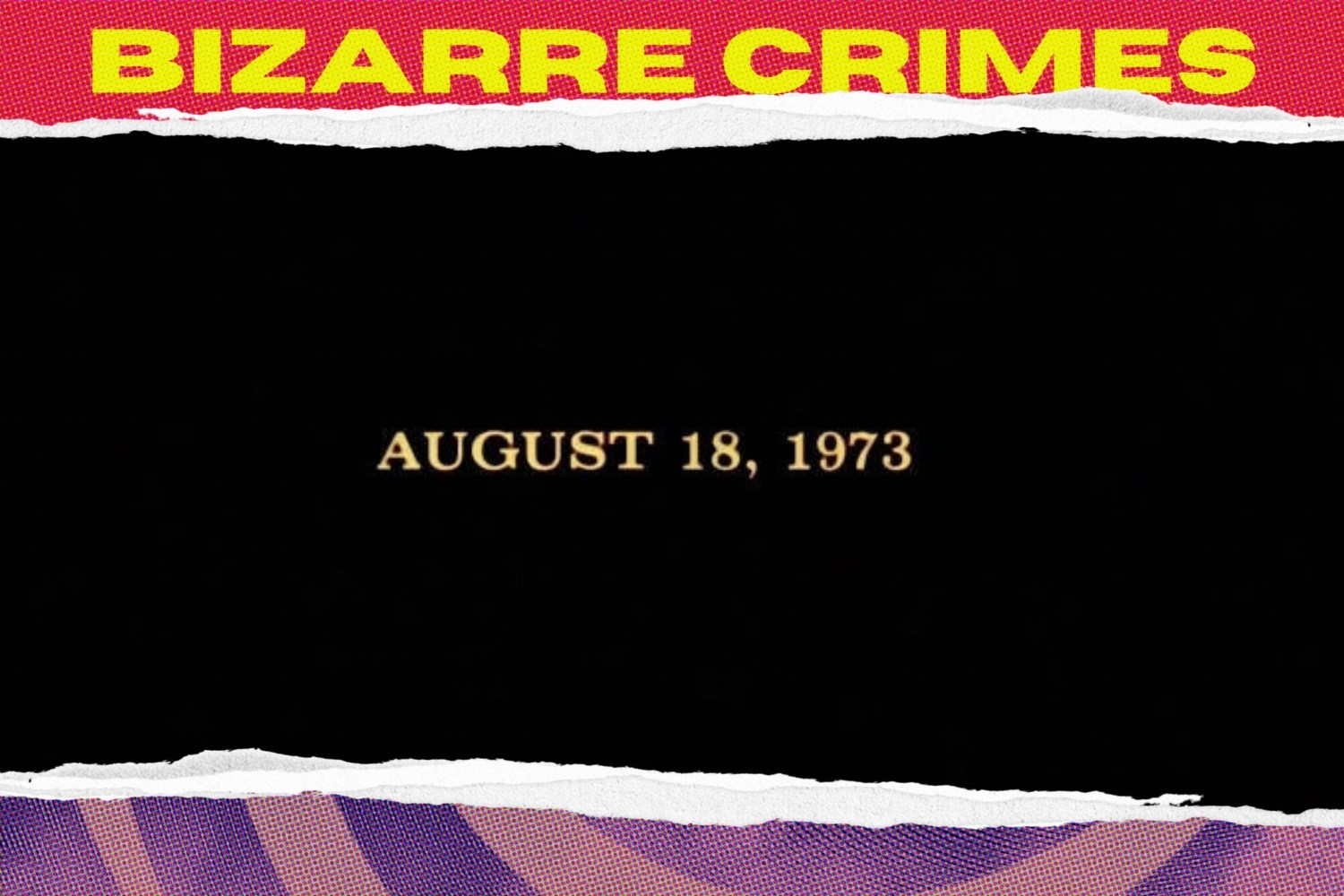
What makes this phenomenon, this "true story" infamy, so hard to shake, though, isn't the countless people who've believed the legend over the years. It's the film itself, and it all starts with John Larroquette's voice gravely intoning the words in that opening crawl, a paragraph to set the stage for an 80-minute nightmare.
Patton Oswalt famously joked that The Texas Chain Saw Massacre is the best movie title ever, because its very structure allows you to see a free movie in your head. The film's other working titles, Headcheese and Leatherface, don't lend the same evocative nature to the marketing, but the moment you put "chain saw" and "massacre" together, it kindles something in the minds of young horror fans, makes them start to dream. Which means that when the crawl itself comes along, not promising a "true story" exactly but promising "an account of the tragedy which befell a group of five youths." In a matter of moments, we learn the names of the two main characters, we learn that there were five victims, and we get the very clear implication that few, if any of them, will make it out of the film alive. The narration's promise that the story will "lead to the discovery" of "The Texas Chain Saw Massacre" adds even more verisimilitude, as though Tobe Hooper and his cast and crew were digging through crime scene photos to recreate them.
In retrospect, it's somewhat incongruous when paired with the rest of the film. Texas Chain Saw Massacre is a wild movie, a shoot-from-the-hip indie gauntlet thrown together by a bunch of hippies in Texas who just kind of rolled up their sleeves and got to work. It doesn't play like a true crime movie, and yet this opening crawl suggests that it might be, promising to expose the "mad and macabre" things these poor youths discovered one August day. It plays like a stern parent stepping in to talk over the filmmakers, cautioning us that what we're about to see is not to be trifled with.
It plays like A Warning.
All of this primes the pump of tension in our hearts, the same way you might prime a chainsaw to fill its choke with gas before pulling that starter cord. It makes us lean in, makes us feel like we're about to see something truly shocking, because everything about this warning is so controlled, so grave, so mature. And it's all the more effective in the end, because we're not about to see a documentary. What we're about to see instead is a film that plays like the maniacs in front of the camera were directing a movie about their lives, aiming the camera to document their bloody work. What we're about to see is a movie that feels, genuinely, like the work of madmen.
And it starts where many of these characters will end up: The grave.
Next Time: Arts & Crafts for Grave Robbers!
If you want to read all of Matthew Jackson's daily Texas Chain Saw Massacre essays, become a member by subscribing to one of our paid tiers. If you haven't already, please consider supporting worker-owned media by subscribing to Pop Heist's newsletter or leaving a tip. We are ad-free and operating outside the algorithm, so all dollars go directly to paying the staff members and writers who make articles like this one possible.